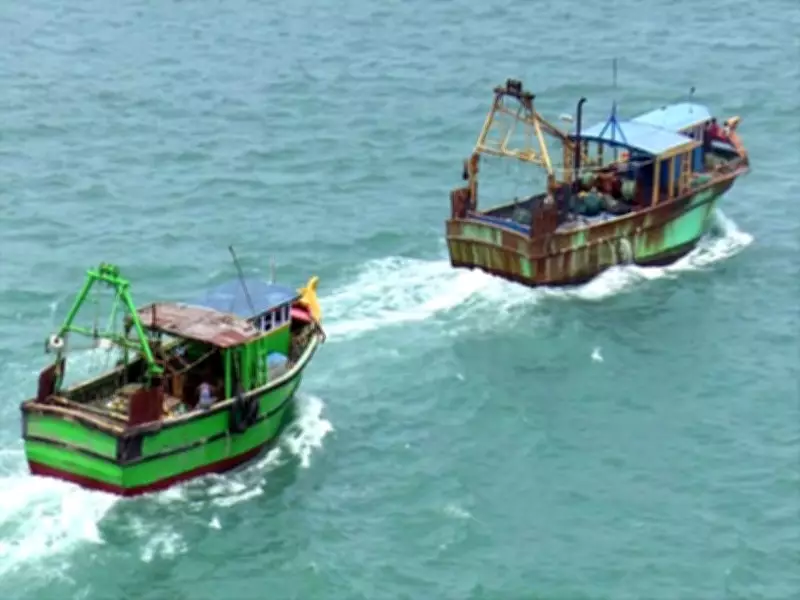
India's Seafood Exports: A Journey from Growth to Global Competitiveness
India's seafood export industry has undergone a remarkable transformation, shifting from a phase of steady growth to establishing itself as a formidable competitor on the global stage. This evolution is marked by significant advancements in quality, market expansion, and sustainable practices, positioning the country as a leading player in the international seafood trade.
Historical Growth and Expansion
The foundation of India's seafood export success lies in its robust growth trajectory over the past few decades. Initially driven by traditional fishing methods, the sector has expanded through the adoption of modern aquaculture techniques and improved processing facilities. This growth has been supported by government initiatives and private investments, leading to increased production volumes and enhanced export capabilities.
Quality and Standards Enhancement
A key factor in achieving global competitiveness has been the focus on quality and adherence to international standards. Indian seafood exporters have invested in state-of-the-art processing plants, implemented stringent hygiene protocols, and obtained certifications such as HACCP and BRC. These efforts have boosted consumer confidence in markets like the United States, European Union, and Japan, where demand for high-quality seafood is strong.

Market Diversification Strategies
To reduce dependency on traditional markets and mitigate risks, India has actively pursued market diversification. While the United States and European Union remain major destinations, exporters have tapped into emerging markets in Southeast Asia, the Middle East, and Africa. This strategic expansion has not only increased export volumes but also stabilized revenue streams against market fluctuations.
Sustainability and Environmental Practices
Sustainability has become a cornerstone of India's seafood export strategy. The industry has embraced eco-friendly practices, including responsible fishing methods, waste reduction, and conservation efforts. These initiatives align with global trends toward sustainable sourcing, enhancing India's reputation and competitiveness in environmentally conscious markets.
Challenges and Future Outlook
Despite its successes, the sector faces challenges such as climate change impacts, regulatory hurdles, and competition from other seafood-exporting nations. However, with continued innovation, investment in technology, and policy support, India is poised to strengthen its global position. The future outlook remains positive, with potential for further growth through value-added products and digital trade platforms.
In summary, India's seafood export industry has evolved from a growth-oriented sector to a globally competitive force, driven by quality improvements, market diversification, and sustainability. This journey underscores the country's ability to adapt and thrive in the dynamic international trade landscape.