India's Commerce and Industry Minister, Piyush Goyal, has highlighted an urgent need to rebalance the country's lopsided trade relationship with Russia. The call for action comes against the backdrop of a massive trade deficit that has ballooned to nearly $59 billion, largely driven by India's substantial imports of crude oil and fertilisers.
A Skewed Trade Relationship Post-Conflict
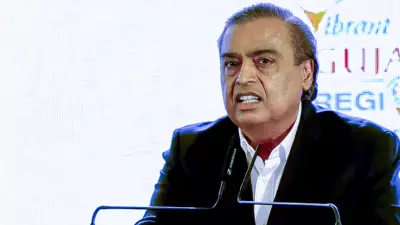
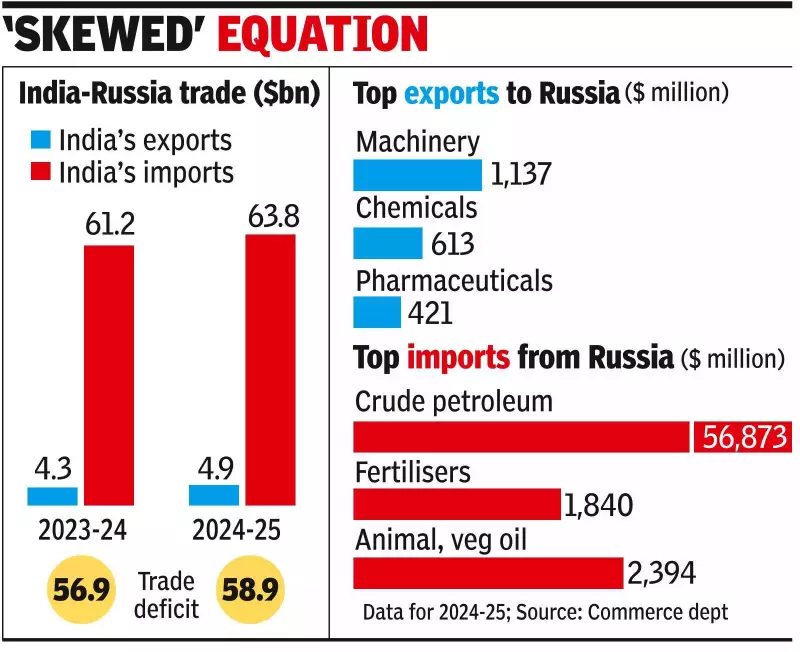
Minister Goyal addressed the issue at the Ficci India-Russia business forum on Thursday. He pointed out that the bilateral trade is heavily tilted in Moscow's favour. The numbers reveal a stark picture. In the last year, India's exports to Russia amounted to less than $5 billion. These shipments primarily consisted of machinery, pharmaceuticals, and chemicals.
In sharp contrast, imports from Russia soared to approximately $64 billion. This dramatic inflow is predominantly due to India's increased procurement of discounted crude petroleum and fertiliser following the Ukraine conflict. The resulting trade deficit of $59 billion is a staggering figure—it is almost eight times higher than the level seen before the geopolitical tensions in Eastern Europe escalated.

The Call for Diversification and Balance
"The bilateral trade is very skewed and needs to be more balanced," Minister Goyal stated emphatically. He stressed the necessity for both nations to broaden their economic engagement beyond the current narrow focus. "We need to bring more diversity in our trade basket. We need to make it more balanced... and there’s so much to offer between both countries," he added, signalling optimism about untapped potential.
The minister's remarks underscore a strategic pivot. While energy security remains crucial, over-reliance on a few commodity imports creates economic vulnerability. The goal is to identify and promote a wider range of Indian exports and Russian imports to create a more sustainable and reciprocal trade partnership.
Implications and The Path Forward
The enormous trade deficit presents both a challenge and an opportunity. For Indian businesses, the minister's push signifies a potential opening to increase market share in Russia across diverse sectors. The government is likely to encourage exports in areas where India has competitive strength, which could include:
- Agricultural products and processed foods.
- Automobile components and finished vehicles.
- Telecommunications equipment and electronics.
- Textiles and apparel.
Simultaneously, India will continue to strategically import essential commodities like oil and fertilisers to meet domestic needs. The balancing act involves boosting export volumes while managing essential imports. This recalibration is vital for long-term economic stability and for building a trade relationship with Russia that is resilient and mutually beneficial, moving beyond the current paradigm dominated by a few key commodities.