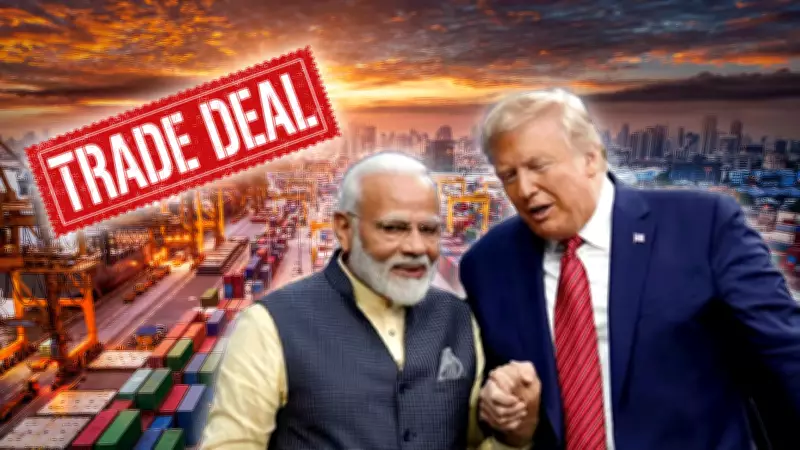
Historic India-US Trade Agreement Reshapes Economic Partnership
In a significant development for global trade dynamics, India and the United States have finalized a comprehensive trade deal that marks a major reset in their economic relationship. The agreement, announced on February 3, 2026, involves substantial tariff reductions and includes an unprecedented purchasing commitment from New Delhi valued at approximately $500 billion.
Key Components of the Bilateral Trade Deal
The newly signed trade pact spans multiple critical sectors that are vital to both economies. Petroleum products, defense equipment, and agricultural commodities feature prominently among the areas covered by this landmark agreement. The tariff slashing measures are designed to facilitate smoother trade flows and reduce barriers that have historically hindered bilateral commerce.
This strategic economic partnership represents one of the most significant trade developments between the two democracies in recent decades, potentially creating new opportunities for businesses and consumers in both nations.

Economic Implications and Future Outlook
Industry analysts predict that the India-US trade deal will fundamentally reshape bilateral trade patterns in the coming years. The massive buying pledge from India, coupled with reduced tariffs, is expected to:
- Boost export opportunities for American manufacturers and agricultural producers
- Enhance India's access to advanced defense technologies and energy resources
- Create a more predictable and stable trade environment between the two nations
- Potentially influence global trade dynamics and supply chain configurations
The agreement comes at a crucial juncture in international economic relations and reflects both countries' commitment to strengthening their strategic partnership through enhanced commercial ties.