A major trade agreement between India and the United States reportedly failed to materialize because Prime Minister Narendra Modi did not make a crucial phone call to then-President Donald Trump, according to a top US official. The revelation sheds new light on the diplomatic hurdles that stalled a significant economic pact.
The Crucial Call That Never Happened
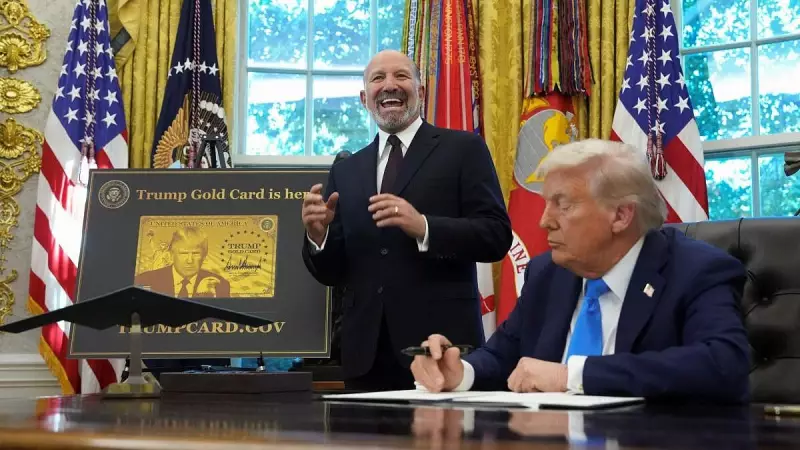
US Commerce Secretary Howard Lutnick disclosed the details, stating that the framework for a deal was fully prepared. The final step required a direct conversation between the two leaders. "It's all set up, you got to have Modi call the President," Lutnick explained. He indicated that the Indian side was hesitant to initiate that high-level contact. "They were uncomfortable doing it. So, Modi didn't call," he concluded, pinpointing this as the reason the deal did not proceed.
Context of the Stalled Negotiations
This incident is understood to have occurred against the backdrop of ongoing trade tensions and the threat of US tariff hikes on Indian goods. Both nations had been engaged in protracted negotiations to reach a limited trade package that would address American concerns about market access and Indian worries about restoration of its GSP (Generalized System of Preferences) benefits. The failure to secure this deal left several trade issues unresolved, with the US tariff hike remaining a point of contention for Indian exporters.

Implications for Bilateral Trade Relations
The disclosure by Secretary Lutnick, made public on 09 January 2026, highlights the delicate personal diplomacy often required in international statecraft. The absence of that one phone call appears to have had tangible consequences for India-US trade relations at the time. It underscores how high-stakes negotiations can sometimes hinge on procedural or ceremonial steps between heads of state. The episode remains a notable moment in the complex economic relationship between the world's two largest democracies, demonstrating that even when bureaucracies align, political will at the highest level is essential to seal an agreement.
While the specific contents of the proposed deal were not detailed in Lutnick's statement, its collapse meant missed opportunities for both countries to ease trade frictions and deepen economic integration during that period.