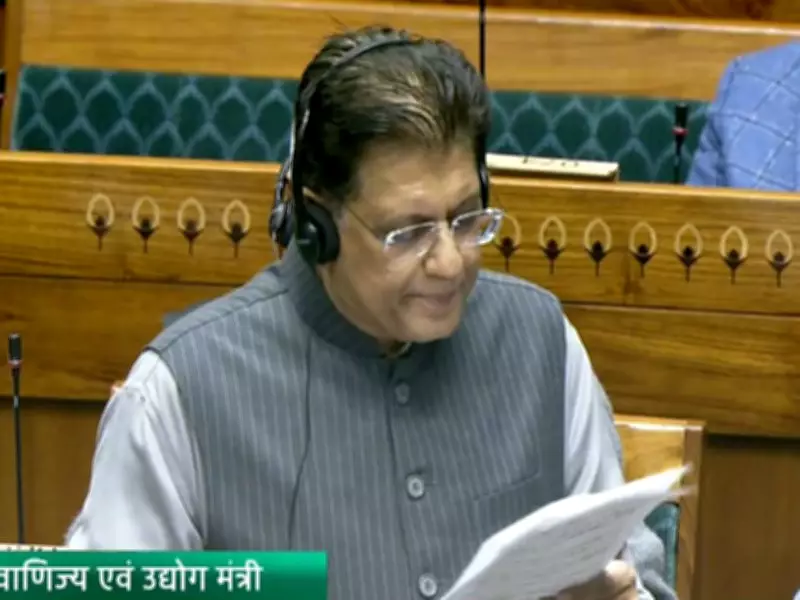
Commerce and Industry Minister Piyush Goyal has underscored the mutually beneficial relationship between India and the United States, describing their economies as complementary. In a recent statement, Goyal emphasized that a comprehensive trade deal between the two nations would be highly advantageous for Indian exports, fostering economic growth and enhancing bilateral cooperation.
Complementary Economic Structures
Goyal pointed out that the economic structures of India and the US are inherently complementary, with each country offering unique strengths and opportunities. India, with its vast manufacturing base and skilled workforce, can supply a wide range of goods and services that align with American demand. Conversely, the US provides advanced technology, innovation, and investment capital that can bolster India's industrial and technological sectors.
Benefits for Indian Exports
A trade deal is expected to significantly boost Indian exports by reducing tariffs and non-tariff barriers, making Indian products more competitive in the US market. Key sectors poised to benefit include:

- Pharmaceuticals: India's robust pharmaceutical industry can expand its footprint in the US healthcare market.
- Information Technology: Enhanced access for Indian IT services and software solutions.
- Textiles and Apparel: Increased export opportunities for India's textile and garment sectors.
- Agriculture: Potential for greater export of agricultural products like spices, rice, and processed foods.
Strengthening Bilateral Ties
Beyond economic gains, Goyal highlighted that a trade deal would strengthen the strategic partnership between India and the US. It would facilitate greater collaboration in areas such as defense, energy, and technology, contributing to regional stability and global economic resilience. The minister noted that both countries share democratic values and a commitment to free and fair trade, making this partnership a cornerstone of their foreign policies.
Challenges and Opportunities
While the prospects are promising, Goyal acknowledged that negotiations must address certain challenges, including intellectual property rights, market access issues, and regulatory harmonization. However, he expressed confidence that with mutual goodwill and a focus on shared interests, these hurdles can be overcome. The trade deal is seen as an opportunity to create a more balanced and equitable trade relationship, benefiting businesses and consumers in both nations.
In conclusion, Piyush Goyal's remarks reinforce the view that India and the US are natural partners with complementary economies. A trade deal holds the potential to unlock significant economic benefits, particularly for Indian exports, while deepening the strategic alliance between the two democracies. As negotiations progress, stakeholders are optimistic about achieving a mutually agreeable framework that promotes sustainable growth and prosperity.