

India and Norway Forge Strategic Partnership to Boost Blue and Green Economy Through Trade Pact
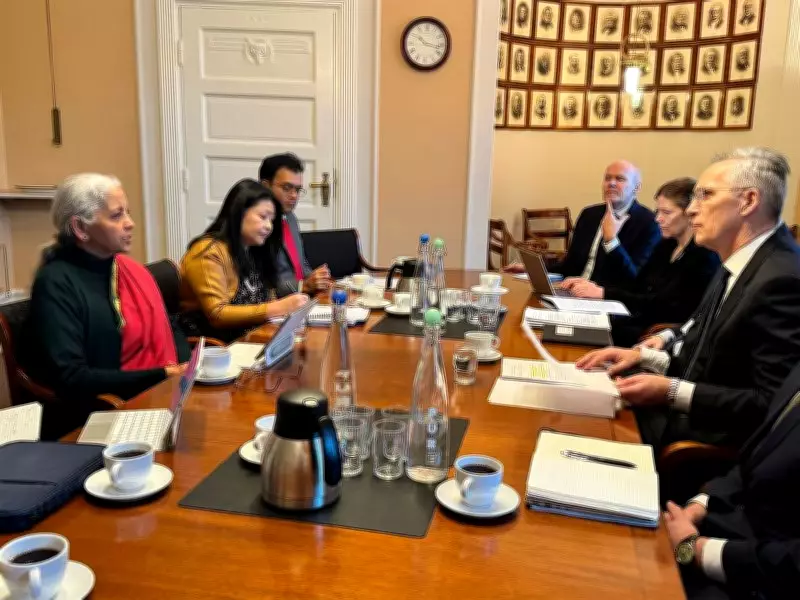
In a significant diplomatic and economic development, Finance Minister Nirmala Sitharaman held a high-level meeting with Norway's Foreign Minister Espen Barth Eide in New Delhi. The discussions centered on strengthening bilateral ties, with a particular focus on leveraging the recently signed India-Norway Trade and Economic Partnership Agreement (TEPA) to foster growth in sustainable sectors.
Key Agreements on Blue and Green Economy
Both ministers reached a consensus to harness the TEPA framework to accelerate investments and collaborations in the blue and green economy domains. This agreement underscores a shared commitment to environmental sustainability and economic resilience, aligning with global efforts to combat climate change and promote ocean health.
The blue economy refers to sustainable use of ocean resources for economic growth, improved livelihoods, and ocean ecosystem health. The green economy focuses on low-carbon, resource-efficient, and socially inclusive economic activities. By integrating these sectors, India and Norway aim to create new opportunities in areas such as renewable energy, marine biotechnology, and sustainable fisheries.

Strategic Implications of the Meeting
The meeting between Sitharaman and Eide highlights the growing importance of Indo-Norwegian relations in the global economic landscape. Norway, known for its expertise in maritime industries and renewable energy, can provide valuable technology and investment, while India offers a vast market and potential for innovation.
This collaboration is expected to enhance trade flows, facilitate technology transfer, and create jobs in both countries, contributing to their long-term economic strategies.
Future Prospects and Next Steps
Following the meeting, both sides agreed to establish working groups to identify specific projects and initiatives under the TEPA. Key areas of focus include:
- Developing joint ventures in offshore wind energy and solar power.
- Promoting sustainable aquaculture and fisheries management.
- Enhancing cooperation in marine research and conservation efforts.
- Encouraging private sector investments through favorable policies and incentives.
The successful implementation of these plans could serve as a model for other nations seeking to balance economic growth with environmental stewardship.






