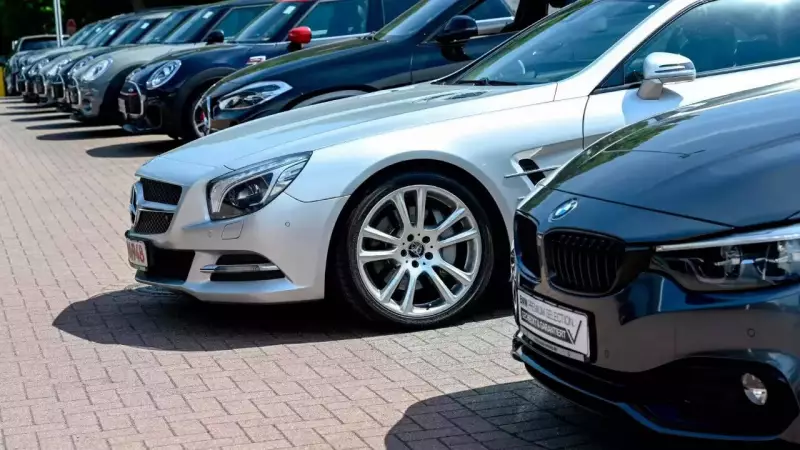
India and European Union Seal Historic Free Trade Agreement
In a landmark development for international trade, India and the European Union have successfully concluded negotiations for a comprehensive Free Trade Agreement that has been under discussion for years. This pivotal agreement is poised to reshape the automotive landscape in India by making European luxury vehicles substantially more accessible to consumers.
Gradual Reduction of Import Duties on European Cars
The agreement stipulates a phased reduction of import duties on vehicles manufactured within the European Union. Currently, India imposes steep customs duties reaching up to 110 percent on imported passenger cars. Under the new pact, these duties will be systematically lowered over time, eventually settling at approximately 10 percent.
Important to note: The reduction will not be immediate. The agreement must first be formally ratified and implemented, which is anticipated to occur sometime next year. Only after implementation will the duty cuts begin to take effect in stages.

Impact on Luxury Car Brands and Pricing
Premium European automotive manufacturers are expected to be the primary beneficiaries of this trade deal. Brands such as BMW, Mercedes-Benz, Audi, Porsche, and Lamborghini stand to gain significantly. The lower import duty will apply to a quota of up to 250,000 vehicles annually.
The current duty structure in India is as follows:
- Imported passenger cars priced below $40,000 attract a 70 percent customs duty.
- Cars costing more than $40,000 face an effective duty of around 110 percent.
Phased Implementation and Expected Price Reductions
The tariff reduction will be executed in multiple phases:
- In the initial phase, duties on eligible EU-made cars are projected to decrease to about 40 percent. Even with the continued application of GST and compensation cess, this could lower the total tax burden to roughly 70–90 percent. This initial reduction might translate to a potential 40–50 percent decrease in car prices compared to current levels.
- Subsequently, tariffs will be further reduced in stages over the longer term, ultimately reaching the target of around 10 percent.
Consumers should not expect instant price drops at dealerships. The real benefits in terms of affordability are likely to materialize only after the agreement comes into force and the phased duty reductions begin.
Exclusion of Electric Vehicles Initially
An important aspect of the agreement is that electric vehicles (EVs) have been excluded from the duty reductions for the first five years. This measure is designed to protect and encourage investments made by domestic EV manufacturers in India, allowing the local industry time to strengthen its position in the growing market.
Strategic Timing in a Growing Market
This agreement arrives at a crucial juncture for India's automotive sector. India is currently the world's third-largest car market, trailing only the United States and China. The market is projected to expand significantly, with annual sales expected to reach nearly six million units by 2030. The Free Trade Agreement with the European Union is set to play a vital role in this growth trajectory by enhancing market access and consumer choice.