In a significant development for international trade relations, India and the European Union are expected to announce on Tuesday the conclusion of negotiations for a comprehensive free trade pact. This landmark agreement, once finalized, is set to bring substantial changes to tariff structures, particularly benefiting the automotive sector.
Major Tariff Reductions for Luxury Vehicles
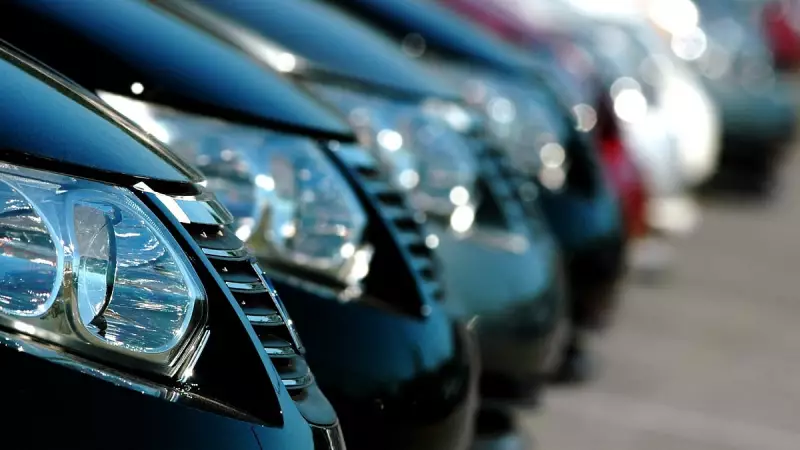
The most notable aspect of this impending trade deal involves a substantial reduction in import duties on luxury automobiles. According to sources familiar with the negotiations, tariffs on premium European car brands including BMW, Volkswagen, and Mercedes-Benz may be slashed to approximately 40%.
This represents a significant decrease from current levels and could make these high-end vehicles more accessible to Indian consumers while boosting European exports to one of the world's fastest-growing automotive markets.

Next Steps in the Negotiation Process
Following Tuesday's anticipated announcement, both sides will enter a crucial phase of finalizing the detailed terms of the agreement. This process involves:
- Legal verification of all negotiated terms
- Translation of documents into official languages
- Preparation for formal signing ceremonies
- Implementation planning and timeline development
The trade pact, officially known as the India-EU Free Trade Agreement, has been under negotiation for several years and represents one of the most significant trade agreements for both economies.
Broader Economic Implications
Beyond the automotive sector, this agreement is expected to have far-reaching consequences for bilateral trade between India and the European Union. Key areas likely to benefit include:
- Pharmaceuticals and Healthcare: Enhanced market access for Indian generic medicines
- Information Technology: Improved terms for digital services and software exports
- Agricultural Products: Reduced barriers for select food items and beverages
- Manufactured Goods: Streamlined customs procedures for industrial products
The timing of this announcement comes at a crucial juncture for global trade relations, with both India and the EU seeking to strengthen economic partnerships amid shifting international dynamics.
Industry analysts suggest that the tariff reductions on luxury vehicles could potentially lower prices for consumers by 15-25% once fully implemented, though the exact impact will depend on various factors including currency fluctuations and local taxes.
As both sides prepare for Tuesday's announcement, stakeholders across multiple sectors are closely monitoring developments that could reshape trade patterns between two of the world's largest economies.