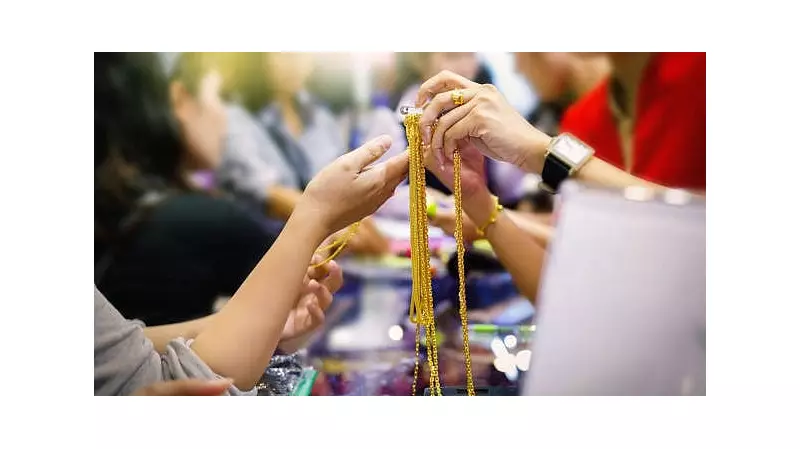
The landmark Free Trade Agreement (FTA) between India and the European Union is set to catalyze a dramatic surge in the gems and jewellery sector, with projections indicating trade volumes could double to an impressive USD 10 billion within the next three years. This transformative development promises to reshape export dynamics and unlock unprecedented opportunities for Indian artisans and manufacturers.
Zero-Duty Access to European Markets
At the heart of this growth story lies the crucial provision of zero-duty access to the European Union, which represents the world's largest consumer market for luxury goods. This preferential tariff elimination removes significant barriers that have historically constrained Indian exports, creating a level playing field that favors quality and craftsmanship over cost penalties.
Regional Export Hubs Poised for Expansion
The benefits of this agreement will be distributed across India's traditional jewellery manufacturing centers, with particular emphasis on four key states that have long served as export powerhouses. Gujarat, Rajasthan, Maharashtra, and West Bengal—each with their distinctive specialties and design traditions—are now positioned to dramatically increase their international shipments.

Kirit Bhansali, Chairman of the Gem & Jewellery Export Promotion Council (GJEPC), emphasized the strategic importance of this development: "Zero-duty access to the world's largest consumer market empowers export hubs in Gujarat, Rajasthan, Maharashtra, and West Bengal to ramp up shipments of precious jewellery, both plain and studded varieties, along with silver and imitation jewellery segments. This agreement allows us to fully capitalize on India's globally renowned design prowess and manufacturing excellence."
Comprehensive Product Portfolio Enhancement
The trade expansion will encompass a diverse range of jewellery categories, reflecting the breadth of India's manufacturing capabilities:
- Precious Jewellery: Both plain gold jewellery and diamond-studded pieces that showcase intricate craftsmanship
- Silver Jewellery: Traditional and contemporary designs that have gained international popularity
- Imitation Jewellery: Fashion-forward pieces that appeal to broader consumer segments
Strategic Implications for Indian Economy
This projected doubling of trade represents more than just numerical growth—it signifies a strategic deepening of economic ties between India and the European Union. The gems and jewellery sector, which has long been a significant contributor to India's export earnings, now stands at the threshold of a new era of expansion.
The agreement comes at a pivotal moment when global supply chains are being reconfigured, and India's position as a reliable manufacturing partner is gaining renewed recognition. By leveraging this FTA, Indian exporters can:
- Enhance their competitive positioning in premium European markets
- Develop more sophisticated branding and marketing strategies
- Invest in advanced manufacturing technologies to meet European quality standards
- Create substantial employment opportunities across the value chain
As the implementation of this landmark agreement progresses over the coming months, industry observers anticipate a ripple effect that will benefit not only large manufacturers but also small and medium enterprises that form the backbone of India's jewellery ecosystem. The convergence of favorable trade terms with India's established design heritage creates a powerful formula for sustained export growth in this prestigious sector.