India-EU Free Trade Agreement: A Comprehensive Analysis of Its Implications
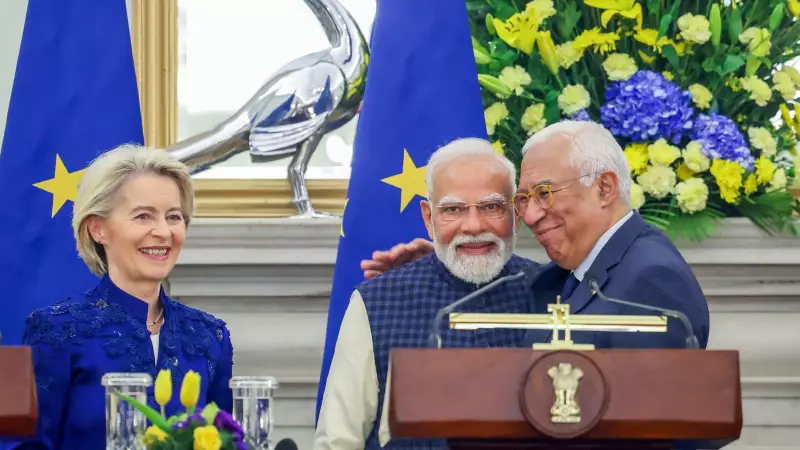
The proposed India-EU Free Trade Agreement (FTA) represents a significant milestone in bilateral trade relations, aiming to reshape the healthcare landscape by reducing tariffs on pharmaceuticals and medical devices. This agreement, discussed by Prime Minister Narendra Modi, European Commission President Ursula von der Leyen, and European Council President António Costa in New Delhi, seeks to enhance trade competitiveness while addressing critical issues of affordability and safety.
Boosting Trade and Reducing Healthcare Costs
The FTA is designed to significantly boost trade by eliminating tariffs on nearly all European Union pharmaceutical products and over 90% of optical, medical, and surgical equipment. Duties of up to 11% on EU pharmaceuticals will be almost completely removed, potentially lowering input costs for hospitals and making advanced medical technologies more accessible. Dr Dharminder Nagar of Paras Health and Co-Chair of the FICCI Healthcare Committee emphasizes that this could lead to wider adoption of high-end equipment, improved clinical outcomes, and more affordable, higher-quality care for patients in India.
Opportunities for European and Indian Industries
European companies stand to gain easier access to India's growing market for medical devices and technologies, encouraging investment in India's research-based pharmaceutical sector. The agreement balances the EU's push for greater market access and intellectual property protection with India's focus on maintaining affordable medicines, particularly for its extensive generic market. An industry expert notes that the impact on pharmaceuticals may be limited, as tariffs on generic drug exports were already low, and most imported products are proprietary drugs.

Concerns Over Regulation and Patient Safety
Despite the potential benefits, experts urge caution. Dr Vinay Aggarwal, former national president of the Indian Medical Association, highlights regulatory gaps, noting that only 23 medical devices are regulated under the Drugs and Cosmetics Act. With 70-90% of medical devices imported, many implantable devices like pacemakers and glucose monitors remain unregulated, raising patient safety concerns. He warns that the FTA might slow indigenous production growth and calls for standalone legislation to create a level playing field for domestic and foreign manufacturers.
Safeguards and Mutual Recognition
Dr Harsh Mahajan of Mahajan Imaging and Labs points out that the FTA could lower costs for imported equipment like CT and MRI scanners, benefiting patients. However, he stresses the need for mutual recognition of regulatory certificates, such as the CE mark and CDSCO certification, to avoid delays and encourage manufacturing in India. Rajiv Nath of the Association of Indian Medical Device Industry adds that the agreement must ensure fair regulatory alignment and safeguards against predatory imports to support India's ambition to become a global MedTech hub.
Balancing Growth and Protection
The India-EU FTA presents a complex interplay of opportunities and challenges. While it aims to reduce healthcare costs and boost trade, it must address regulatory shortcomings and protect domestic industries. Experts agree that a careful balance is essential to foster mutual growth, anchored in quality, transparency, and patient safety, ensuring the agreement benefits all stakeholders in the long term.