Indian Farmer Unions Condemn India-US Trade Agreement, Call for Widespread Demonstrations
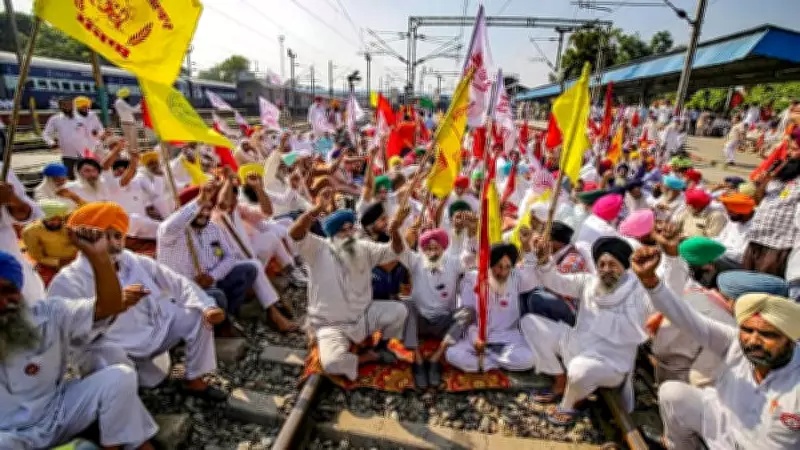
In a significant development, farmer organizations across India have voiced strong opposition to the recently announced trade deal between India and the United States. The Samyukt Kisan Morcha (SKM), a prominent coalition of farmer unions, has declared plans for extensive nationwide protests scheduled for February 12, 2026.
Nationwide Mobilization Against Trade Pact
During a virtual press conference held on February 7, 2026, leaders of the SKM articulated their deep concerns regarding the implications of the India-US trade agreement for the agricultural sector. They emphasized that the pact could adversely affect Indian farmers' livelihoods and food security. The protest strategy involves organizing demonstrations at the grassroots level, with activities planned in villages throughout the country to maximize participation and visibility.
Symbolic Acts of Protest Announced
The SKM has announced that protesters will burn effigies of both US President Donald Trump and Indian Prime Minister Narendra Modi as a symbolic gesture of their discontent. This act is intended to highlight their perception that the trade deal favors foreign interests over domestic agricultural welfare. The leaders stressed that this protest is part of a broader movement to safeguard farmers' rights and ensure that trade policies do not compromise local agricultural sustainability.

Background and Farmer Concerns
The India-US trade deal has been a topic of intense debate, with proponents arguing it will boost economic ties and market access. However, farmer unions like the SKM contend that such agreements often lead to increased competition from imported agricultural products, potentially depressing prices for local farmers. They fear that provisions in the deal might undermine India's food sovereignty and expose farmers to volatile global markets without adequate protective measures.
The call for protests reflects ongoing tensions between agricultural communities and government trade policies, reminiscent of previous farmer movements that have shaped national discourse. The SKM's mobilization efforts aim to draw public and political attention to these issues, urging a reevaluation of the trade agreement's terms to better protect Indian agriculture.
Expected Impact and Future Steps
With the protests set for February 12, authorities are likely to monitor the situation closely to maintain law and order. The SKM has indicated that if their demands are not addressed, they may escalate their actions, including potential marches to key government offices. This development underscores the critical role of farmer voices in shaping India's trade and agricultural policies, highlighting the need for inclusive dialogue and policy adjustments to balance international trade with domestic welfare.