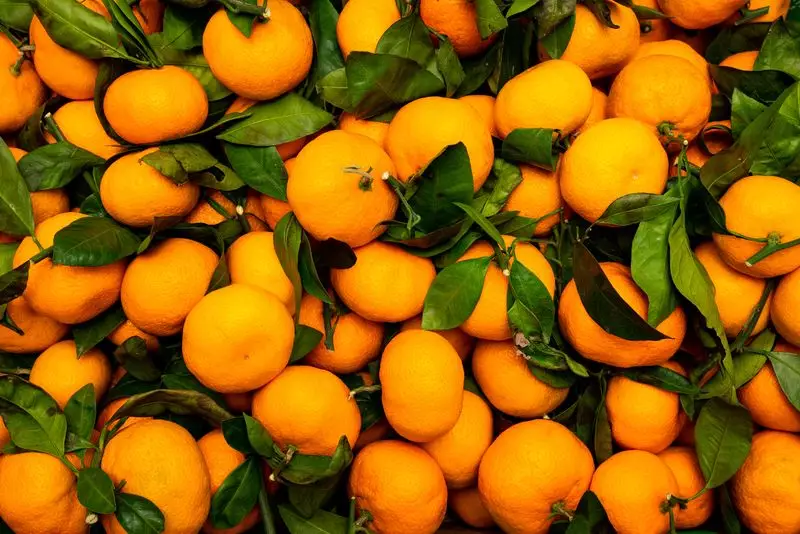
In a significant development for India's agricultural and horticultural sector, the iconic Darjeeling Mandarin Orange has been officially awarded the Geographical Indication (GI) tag. This recognition, granted by the Geographical Indications Registry in Chennai, serves as a major milestone for the farmers of the Darjeeling hills and the Kalimpong district in West Bengal.
What the GI Tag Means for Darjeeling's Citrus Gem
The coveted GI tag is a form of intellectual property right that identifies a product as originating from a specific geographical location, possessing qualities or a reputation essentially attributable to that place. For the Darjeeling Mandarin Orange, this legal shield protects its unique identity from imitation and misuse. The application for this tag was a collaborative effort spearheaded by the Darjeeling Krishi Vigyan Kendra (KVK) under the Indian Council of Agricultural Research (ICAR), with crucial scientific backing from researchers at the University of North Bengal (NBU).
The journey to secure this tag was rooted in extensive research. A dedicated team from NBU, including experts like Dr. D. K. Pandey and Dr. R. K. Avasthe, conducted in-depth studies to establish the distinct characteristics of the orange that are intrinsically linked to the terroir of the Darjeeling hills. Their work provided the necessary scientific validation about the fruit's unique properties, which was pivotal for the successful application.

A Legacy of Flavor Facing Challenges
The Darjeeling Mandarin Orange is not just a fruit; it is an integral part of the region's cultural and economic fabric. Historically, the lush slopes of the Darjeeling hills have been home to extensive orchards of this particular citrus variety, known for its distinctive flavor, aroma, and bright orange color. However, over the past few decades, the cultivation has seen a worrying decline. Experts point to a combination of factors for this downturn, including climate change, aging orchards, and the prevalence of citrus diseases.
This decline turned a once-thriving local industry into a struggle for survival for many hill farmers. The GI tag is now seen as a powerful tool to reverse this trend by adding substantial economic value and brand prestige to the produce.
Economic Revival and Future Prospects
The conferment of the GI tag is expected to have far-reaching positive consequences. Primarily, it will empower local farmers and producers by giving them exclusive rights to use the "Darjeeling Mandarin Orange" name for their produce. This enhances the marketability of the fruit, potentially allowing farmers to command better prices in domestic and international markets.
The tag will help in branding and marketing the fruit as a premium, geographically unique product. It assures consumers of its authenticity and quality, linked directly to the Darjeeling region. This is anticipated to spur interest in reviving old orchards and investing in new, scientific cultivation practices. Furthermore, it opens doors for the development of allied industries, such as processed foods (jams, juices) and tourism linked to orchard visits, creating a more diversified rural economy in the hills.
In conclusion, the Geographical Indication tag for the Darjeeling Mandarin Orange is more than just a certificate; it is a beacon of hope for the agricultural community of the region. By safeguarding its unique status, it paves the way for economic revitalization, encourages sustainable farming, and preserves a cherished horticultural heritage for future generations. The successful collaboration between agricultural scientists and local institutions marks a commendable model for protecting and promoting India's diverse agro-products.