Darjeeling Tea Industry Faces Crisis as LPG Shortage Threatens Production
The Darjeeling Tea Association (DTA) has made an urgent appeal to West Bengal Chief Minister Mamata Banerjee, seeking her immediate intervention to resolve a critical gas supply issue that is jeopardizing the region's iconic tea industry. This plea comes at a particularly sensitive time, as production of the highly prized first flush tea has just commenced.
Critical Timing During First Flush Production
In a formal letter to the Chief Minister, DTA principal advisor Sandeep Mukherjee highlighted that the Darjeeling tea industry, which relies exclusively on industrial LPG for processing, is currently excluded from the list of priority sectors eligible for commercial gas allocation. This administrative oversight has created an acute shortage of LPG in Darjeeling, severely impacting tea factory operations at the worst possible moment.
The timing could not be more disastrous for the industry, Mukherjee emphasized. "After a prolonged three-month production gap, we have just begun harvesting the first flush tea, which represents our premium export-quality product and generates crucial revenue. If this LPG shortage is not mitigated urgently, the consequences would be catastrophic for the entire industry."

Potential Impact on Workers and Industry Viability
The crisis extends beyond production concerns to potentially devastating social and economic consequences:
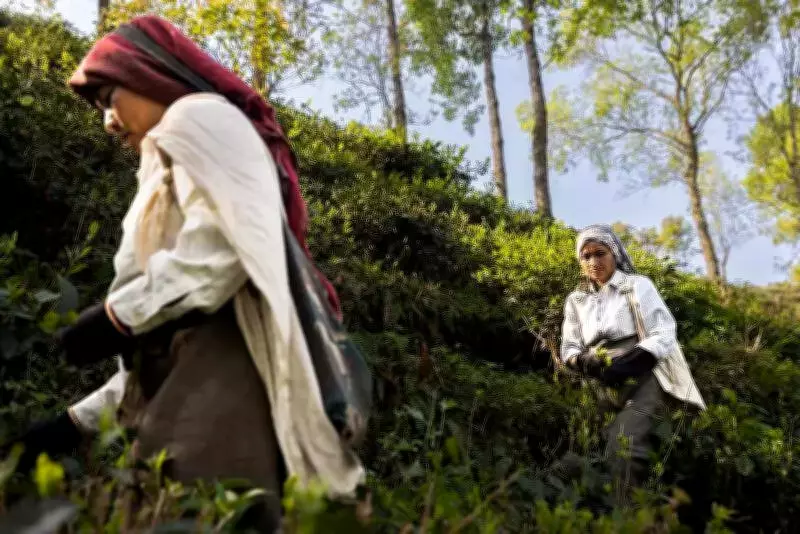
- 55,000 workers face unemployment: The cessation of tea garden operations would directly affect approximately 55,000 workers employed across Darjeeling's tea estates.
- Risk of social unrest: Mukherjee warned that shutting down tea estates could lead to significant unrest among workers who depend on this industry for their livelihoods.
- Financial viability threatened: Without reliable LPG supply, tea processing becomes financially unsustainable, putting the entire industry at risk of collapse.
Historical Context and Export Requirements
In a separate communication to the deputy chairman of the Tea Board, Mukherjee provided important historical context about the industry's fuel transition. "Originally, coal served as the primary fuel for tea processing," he explained. "However, following increasingly stringent export restrictions and quality requirements, the industry transitioned to industrial LPG to meet international standards and maintain Darjeeling tea's premium reputation in global markets."
This transition, while necessary for maintaining export competitiveness, has made the industry particularly vulnerable to disruptions in LPG supply chains. The current shortage represents not just an operational challenge but a fundamental threat to Darjeeling tea's position in international markets.
Urgent Call for Government Intervention
The Darjeeling Tea Association's appeal underscores the critical intersection of economic policy, agricultural production, and social stability. Mukherjee's letter to Chief Minister Banerjee concludes with a stark warning: "The Darjeeling tea industry seeks your immediate intervention on this subject. Without prompt resolution, we face not only economic collapse but also potential social upheaval in the region."
As the first flush tea season progresses, the industry watches anxiously for government action that could determine whether Darjeeling's world-renowned tea continues to reach global markets or faces unprecedented disruption affecting thousands of livelihoods.