Against a backdrop of shifting global trade dynamics, the Indian food market is witnessing a significant international influx, with Chinese companies spearheading the foreign charge. The three-day Indusfood 2026 expo, which opened on Thursday in Greater Noida, has become the focal point for this renewed push, showcasing a deliberate strategy to woo Indian consumers with customized offerings.
China's Tailored Strategy for Indian Palates
With 15 exhibitors, China has registered the single largest foreign presence at the global trade fair, organized by the Trade Promotion Council of India. The Chinese pavilion is not merely selling off-the-shelf imports but is presenting a broad mix of products specifically adapted for local preferences. This move signals a clear understanding of the need to cater to Indian tastes rather than just exporting generic goods.
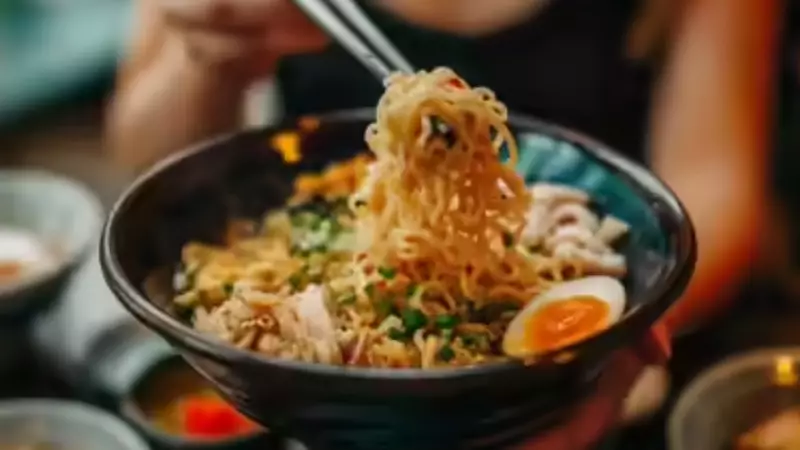
Jinmailang Food, a ramen manufacturer, drew substantial crowds with live demonstrations. A company representative named Chris explained that they had closely tracked the surge in popularity of Korean ramen in India. Their response includes vegetarian options like mock chicken ramen, which mimics the taste of chicken but is plant-based, alongside non-fried and less spicy variants. Another firm, Tianjin Heng Jun Long Commercial Co Ltd, is targeting India's busy urban workforce with a range of canned vegetables, fruits, and fish, aiming to solve everyday cooking challenges for young professionals.

A Global Feast: From Baklava to Cachaça
The Chinese contingent is not alone in its ambitions. The expo, featuring over 2,200 exhibitors from more than 30 countries, has turned into a microcosm of global culinary ambition. Food businesses from Iran, the Netherlands, Egypt, Palestine, Brazil, Azerbaijan, and Greece are all vying for a slice of the giant Indian food market.
The offerings are diverse: from olives and pickles by Egypt's Zahrat El Wady to premium rice and masala tea from Azerbaijan's Alisa Dadashov. Greece-based Danais SA is showcasing canned peaches and apricots. Brazil’s Expodireto Cotrijal is promoting cachaça, a distinctive distilled spirit made from fermented sugarcane juice, best enjoyed with lemon and ice. A deeply personal story comes from the Palestine stall, where fourth-generation confectioner Diab Mahroum is presenting baklava and kunafa under his family brand, which dates back to 1890. His interest in India grew after observing strong demand from Indian consumers in Dubai.
Government Vision and Strategic Partnerships
Union Minister for Food Processing Industries, Chirag Paswan, inaugurated the expo. Addressing attendees, he emphasized the role of platforms like Indusfood in connecting India's production potential with international markets. "Now that we are a food surplus country, we all need to convert this volume into value," Paswan stated. He highlighted the sector's strength and India's untapped potential to become the global food basket, stressing the need to channel resources effectively.
On the sidelines of the event, a significant bilateral initiative was launched: the India-UAE Food Corridor. Led by the Abu Dhabi Food Hub, this corridor aims to enhance food security, streamline supply chains, and accelerate food trade between the two nations. Beyond mainstream food products, the Hong Kong pavilion also featured stalls selling traditional Chinese medicine, including herbal eye drops made from ingredients like ginseng and safflower, marketed for conditions such as dry eyes and myopia.
The overwhelming international interest at Indusfood 2026 underscores India's growing importance as a pivotal food market. It reflects a global recognition of both the country's massive consumption potential and its evolving, sophisticated consumer preferences, which foreign companies are now keenly adapting to.