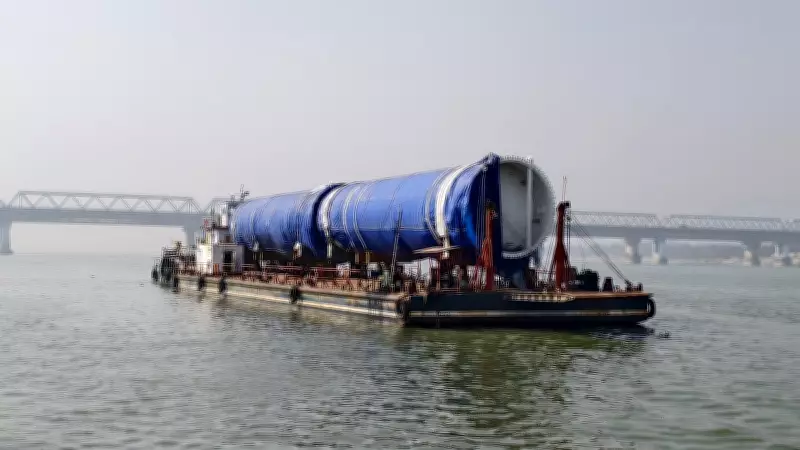
Assam's First Semiconductor Plant Cargo Transported via Bangladesh Waterways
In a significant development for India's industrial landscape, the cargo for Assam's first-ever semiconductor plant has been successfully transported using the waterways of Bangladesh. This strategic logistics operation marks a pivotal step in enhancing regional connectivity and fostering economic growth in Northeast India, leveraging international cooperation to overcome geographical challenges.
Strategic Logistics Move for Northeast India
The transportation of cargo via Bangladesh waterways represents a crucial logistical innovation for Assam, a state that has historically faced infrastructure constraints. By utilizing this route, authorities have bypassed traditional land-based transport, which can be slower and more costly due to the region's terrain. This move is expected to significantly reduce transit times and operational expenses, thereby accelerating the setup of the semiconductor plant.
This initiative is part of a broader effort to integrate Northeast India into global supply chains, particularly in the high-tech sector. The use of Bangladesh's waterways not only showcases cross-border collaboration but also highlights the potential for sustainable transport solutions in the region. It aligns with India's push to boost domestic semiconductor manufacturing, a key component of the nation's technological self-reliance goals.

Enhancing Regional Connectivity and Economic Impact
The successful transport of cargo underscores the importance of improved connectivity in driving industrial development. Assam's semiconductor plant is poised to become a hub for electronics manufacturing, creating jobs and attracting investments to the Northeast. By facilitating smoother logistics through Bangladesh, this project could serve as a model for future infrastructure projects in the area.
Moreover, this development strengthens bilateral ties between India and Bangladesh, fostering economic partnerships that benefit both nations. It demonstrates how regional cooperation can overcome logistical hurdles and promote shared prosperity. The plant's establishment is expected to have a ripple effect, boosting ancillary industries and enhancing the overall economic landscape of Assam.
Future Prospects and Challenges
Looking ahead, the transportation of cargo via Bangladesh waterways sets a precedent for similar initiatives in Northeast India. However, challenges such as maintaining consistent logistics and ensuring security along the route must be addressed to sustain this progress. Continued investment in infrastructure and policy support will be essential to maximize the benefits of this strategic move.
In conclusion, the transport of cargo for Assam's first semiconductor plant via Bangladesh waterways is a landmark achievement. It not only accelerates industrial growth but also reinforces the role of innovative logistics in regional development. As Assam moves forward with this project, it paves the way for a more connected and prosperous Northeast India.