28 Ships Stranded in Persian Gulf Amid Regional Tensions, Including 10 Foreign Vessels Bound for India
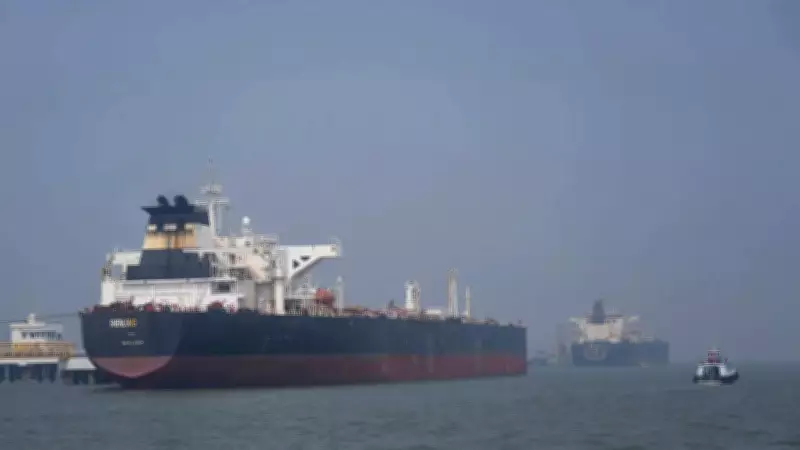
The Indian government disclosed on Monday that a total of 28 ships are currently stranded in the Persian Gulf region, highlighting a significant disruption to maritime trade and energy imports. This includes 10 foreign-flagged vessels carrying critical energy products destined for India, in addition to 18 Indian vessels that are also stuck in the area.
Breakdown of Stranded Foreign Ships and Their Cargo
In a detailed response to queries, Rajesh Sinha, Special Secretary of the Shipping Ministry, provided a cargo-specific breakdown of the stranded foreign ships. He revealed that three of these vessels are loaded with liquefied petroleum gas (LPG), four are carrying crude oil, and three are transporting liquefied natural gas (LNG). This diverse cargo mix underscores the broad impact on India's energy supply chain, with LPG being crucial for domestic cooking gas needs and crude oil and LNG serving as key inputs for the nation's industrial and power sectors.
Government's Immediate Priority: Safe Passage for Indian Vessels

Sinha emphasized that the government's top priority is to ensure the safe passage of Indian-flagged vessels carrying India-bound cargo through the strategically vital Strait of Hormuz. This narrow chokepoint is a critical maritime route for global oil and gas shipments, and its security is paramount to maintaining energy flow into the country. In a positive development, two LPG carriers, transporting approximately 94,000 tonnes of cooking gas, successfully cleared the Strait of Hormuz on Saturday. These ships are expected to dock at Mumbai Port and New Mangalore Port within the next two days, providing some relief to the strained supply situation.
No Immediate Plans to Send Back Empty Vessels
When questioned about the potential redeployment of empty Indian vessels to the Persian Gulf for fresh loading, Sinha indicated that such measures are not yet on the immediate agenda. "We are yet to reach the stage where we start sending them (Indian-flagged vessels) back," he stated, suggesting that the focus remains on resolving the current standoff and securing the stranded ships before considering new voyages into the high-risk zone.
Rising Insurance Premiums Compound the Crisis
Sinha also highlighted a significant financial repercussion of the regional instability: a sharp increase in insurance premiums for ships operating in the area. He clarified that the high-risk area (HRA) extends beyond just the Strait of Hormuz, encompassing broader regions in the Persian Gulf. Before the recent conflicts, commercial premiums were relatively low at 0.04% of the insured value. However, they have since skyrocketed, with Sinha citing one case where the premium now stands at 0.7% of the insured value, and he warned that it could climb even higher. This surge in costs adds a substantial economic burden to shipping operations, potentially affecting freight rates and, ultimately, consumer prices for energy products in India.
The situation underscores the vulnerabilities in global shipping lanes and India's dependence on maritime routes for energy security, with ongoing efforts to navigate these challenges amid heightened regional risks.