Finance Minister's STT Announcement Sends Brokerage Stocks Tumbling
In a move that has sent shockwaves through the Indian capital markets, Finance Minister Nirmala Sitharaman announced a significant increase in the Securities Transaction Tax (STT) levied on futures and options (F&O) contracts. This policy shift, aimed at generating additional revenue for the government, has triggered an immediate and sharp correction in the stock prices of leading brokerage firms and market infrastructure providers.
Market Reaction: A Bloodbath for Brokerage Shares
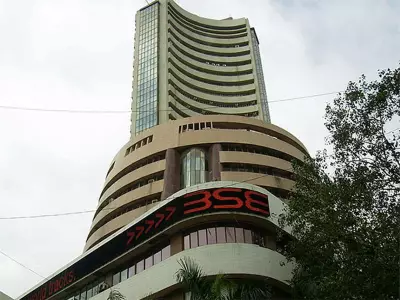
The market's reaction was swift and severe. Shares of key players in the financial ecosystem witnessed a dramatic plunge during the trading session. The Bombay Stock Exchange (BSE), one of Asia's oldest stock exchanges, saw its stock price crash by nearly 10%. Similarly, prominent discount broker Angel One experienced a steep decline of around 10%, reflecting investor panic over the potential impact on trading volumes and profitability.
The sell-off was not limited to traditional brokers. New-age fintech platform Groww, which has rapidly gained market share in retail investing, also faced intense selling pressure, with its stock falling sharply. This broad-based decline underscores the market's concern that higher transaction costs could dampen speculative activity in the derivatives segment, a major revenue driver for these companies.

Understanding the STT Hike on Futures & Options
The Finance Minister's proposal specifically targets the futures and options segment. The STT, a tax levied on the value of securities transactions, has been increased for these derivative instruments. The government's rationale likely centers on stabilizing markets by discouraging excessive speculation and augmenting fiscal resources. However, the immediate interpretation by investors is that this will increase the cost of trading in F&O, potentially reducing turnover and impacting the earnings of brokerage houses, exchanges, and allied service providers.
Key Implications for the Market:- Increased Transaction Costs: Higher STT means traders and investors will pay more tax on each F&O trade, which could deter high-frequency trading and speculative positions.
- Revenue Pressure on Brokers: Brokerage firms, which earn commissions based on trading volumes, may see a dip in activity, directly affecting their top and bottom lines.
- Market Sentiment Turn: The announcement has introduced a note of caution, potentially leading to increased volatility as market participants reassess the attractiveness of derivative instruments.
Broader Context and Investor Sentiment
This development occurs against a backdrop of already heightened market volatility and regulatory scrutiny over retail participation in risky derivative products. The government's move can be seen as a measure to promote long-term investment over short-term speculation. For retail investors, the higher tax outlay necessitates a more strategic approach to F&O trading, with a greater emphasis on risk management.
Analysts suggest that while the initial reaction is negative, the long-term impact will depend on how significantly trading volumes are affected. Companies with diversified revenue streams beyond brokerage, such as those offering wealth management or advisory services, might be somewhat insulated. Nevertheless, the day's trading action clearly indicates that the market views the STT hike as a material negative for the financial services sector, particularly for firms heavily reliant on F&O trading commissions.