

Finance Minister Sitharaman Highlights Productivity and Employment as Core Budget 2026-27 Goals
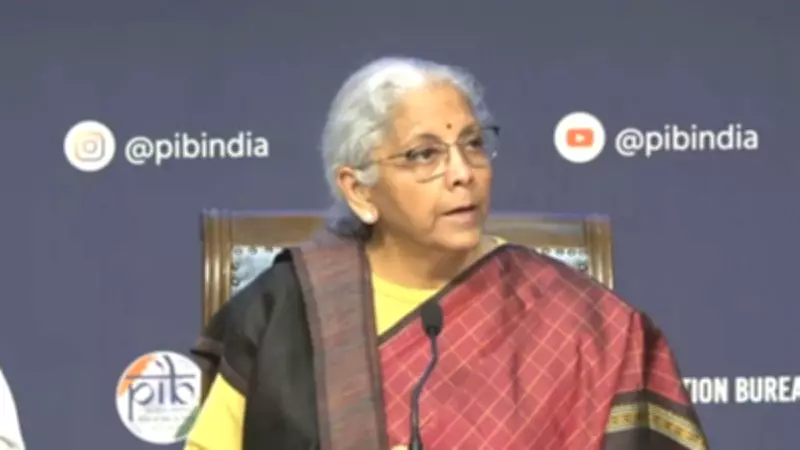
Finance Minister Nirmala Sitharaman has underscored a dual focus on enhancing productivity and generating employment opportunities as the central themes of the Union Budget for the fiscal year 2026-27. Following the presentation of the budget in Parliament, Sitharaman addressed the media, outlining the government's strategic priorities aimed at fostering sustainable economic growth and addressing key challenges in the labor market.
Strategic Emphasis on Economic Efficiency and Job Creation
In her post-budget remarks, Sitharaman elaborated on the comprehensive measures introduced in the budget to stimulate productivity across various sectors of the economy. She highlighted that improving efficiency and output is crucial for maintaining India's competitive edge in the global market and ensuring long-term prosperity. The finance minister pointed to specific initiatives designed to modernize infrastructure, promote innovation, and streamline regulatory processes, all of which are expected to contribute significantly to productivity gains.
Simultaneously, Sitharaman emphasized the government's commitment to generating employment, particularly for the youth and in emerging industries. She noted that the budget includes targeted schemes and incentives to boost job creation in sectors such as manufacturing, technology, and green energy. The minister stressed that employment generation is not only an economic imperative but also a social necessity, essential for inclusive development and reducing unemployment rates.

Key Budgetary Measures and Their Expected Impact
The Union Budget 2026-27 incorporates a range of policies aimed at achieving these twin objectives. Sitharaman detailed several key components:
- Infrastructure Development: Increased allocations for transportation, digital networks, and urban projects to enhance operational efficiency and create construction-related jobs.
- Skill Development Programs: Expanded funding for vocational training and upskilling initiatives to align the workforce with industry demands and improve productivity.
- Support for MSMEs: Financial incentives and easier credit access for micro, small, and medium enterprises, which are major employment generators and productivity drivers.
- Research and Innovation: Grants and tax benefits for R&D in sectors like artificial intelligence and renewable energy to foster high-productivity jobs.
Sitharaman expressed confidence that these measures will collectively boost economic output while addressing the pressing need for more employment opportunities. She reiterated that the budget is crafted with a forward-looking approach, balancing immediate economic stimuli with long-term structural reforms.
Broader Economic Context and Future Outlook
The focus on productivity and employment comes at a time when India is navigating global economic uncertainties and domestic challenges. Sitharaman acknowledged the importance of these priorities in sustaining growth momentum and ensuring that the benefits of development reach all sections of society. She highlighted that improving productivity is essential for increasing per capita income and enhancing living standards, while job creation is vital for social stability and reducing poverty.
Looking ahead, Sitharaman assured that the government will monitor the implementation of budget measures closely and make adjustments as needed to achieve the desired outcomes. She called for collaboration between the public and private sectors to maximize the impact of these initiatives, emphasizing that a concerted effort is required to transform India's economic landscape.
In conclusion, the Union Budget 2026-27, as presented by Finance Minister Nirmala Sitharaman, places a strong emphasis on boosting productivity and generating employment as foundational elements for India's continued economic progress. The detailed policies and allocations reflect a strategic vision aimed at fostering a more efficient, inclusive, and job-rich economy in the coming years.






