

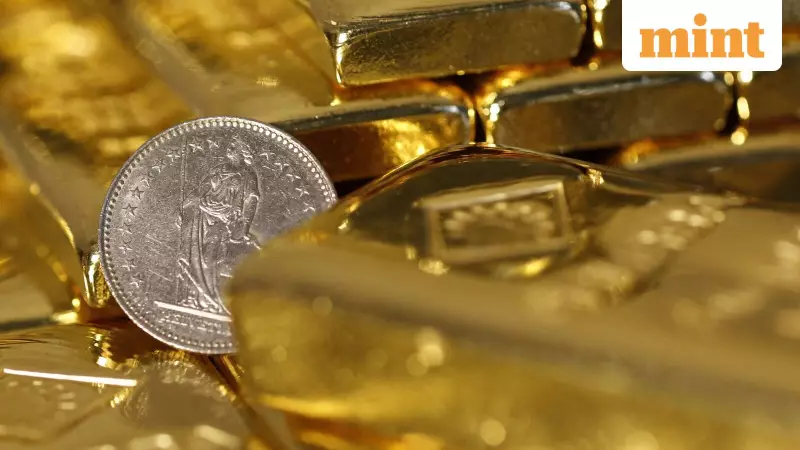
A dramatic and unusual shift is gripping the global commodity markets. For the first time in over four decades, an ounce of silver is commanding a higher price than a barrel of crude oil. This inversion of a long-standing price relationship is sending shockwaves through financial circles and raising urgent questions about a potential speculative bubble in the precious metal.
The Startling Numbers Behind the Shift
The data paints a stark picture. As of late December 2025, the price of silver has more than doubled this year, soaring to approximately $76 per ounce. In stark contrast, crude oil prices have slumped by nearly 20%, hovering around $58 per barrel. This has pushed the oil-to-silver ratio to a mere 0.8, meaning it takes less than one ounce of silver to buy a barrel of oil.
This situation is far from normal. According to a detailed report from DataTrek Research, the historical average for this ratio since 1975 stands at 3.8. Nicholas Colas, co-founder of DataTrek, highlighted the disparity, noting that with oil at $58, a historically typical silver price would be closer to $15 an ounce. The current scenario suggests one of two extreme corrections: either silver must fall sharply, or oil would need to skyrocket to nearly $290 a barrel to restore the average balance.

The last and only other time this happened was in January 1980, during the infamous attempt by the Hunt brothers to corner the silver market, which briefly pushed prices to a then-record high.
Expert Views: Bubble Fears vs. Bullish Signals
The market is deeply divided on what this anomaly signifies. Many analysts see clear warning signs of a bubble. "The oil/silver price ratio points to silver being in a speculative bubble and/or oil being excessively out of favor," Colas wrote, suggesting silver prices are the more distorted of the two. He advises caution for long-term investors, recommending smaller position sizes for those trading the metal's volatility.
Alex Kuptsikevich, chief market analyst at FxPro, echoed this sentiment, stating plainly that "The silver rally looks too rapid and resembles a bubble."
However, other market voices argue the rally has fundamental and technical support. Analysts at SentimenTrader point to silver "benefiting from uncertainty in the global monetary system and expectations of lower real rates," a factor that has also propelled gold. From a charting perspective, Katie Stockton of Fairlead Strategies notes that silver's momentum remains positive across timeframes with no signs of exhaustion, and it may be on the verge of a major breakout relative to gold, implying continued strength into the next year.
The Investor's Dilemma: To Dive In or Step Back?
Despite the bullish arguments, the sheer scale of the rally—up nearly 160% in a single year—makes even optimists cautious. The divergence from other key commodities like oil, gold, and copper is undeniable and historically extreme.
The core challenge for any market participant is timing. Predicting the peak of a speculative frenzy is notoriously difficult. Colas of DataTrek acknowledges that silver has a habit of becoming a "hot ticket" every 10 to 20 years, and during these periods, elevated investor enthusiasm can defy predictions for longer than expected. Furthermore, in inflation-adjusted terms, silver remains far below its 1980 peak of about $200 an ounce, leaving theoretical room for further gains.
The consensus advice for the average investor is one of prudence. Unless one is an active trader comfortable with high volatility and sharp reversals, watching from the sidelines might be the most prudent strategy until the historic imbalance between silver and oil finds a new equilibrium.






