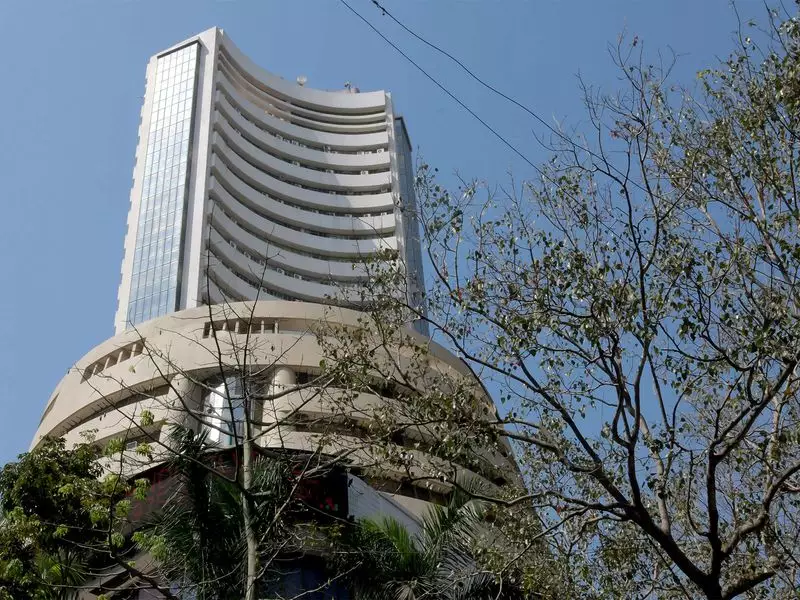
The Indian stock market commenced trading on a negative note on Thursday, with key benchmark indices slipping into the red. The bearish sentiment was primarily fueled by the relentless selling activity of foreign institutional investors (FIIs) and the continued depreciation of the Indian rupee against the US dollar.
Market Opening and Key Indices Performance
At the opening bell, the benchmark S&P BSE Sensex witnessed a decline. The index opened lower, reflecting the cautious mood among investors. Similarly, the broader NSE Nifty 50 also started the trading session in negative territory. This downward movement extended the losses from the previous session, indicating sustained pressure on domestic equities.
The market breadth was weak, with a higher number of stocks declining compared to those advancing. Sectorally, banking and financial services stocks, along with information technology (IT) shares, were among the major drags on the indices. These sectors are particularly sensitive to foreign fund flows and currency movements.

Primary Drivers: FII Selling and Currency Weakness
The dominant factor weighing on market sentiment is the persistent outflow of funds by foreign institutional investors. FIIs have been net sellers in the Indian equity markets for several consecutive sessions, pulling out substantial capital. This trend is often linked to global risk-off sentiment and rising interest rates in developed economies like the United States, which make emerging market assets less attractive.
Compounding the issue is the performance of the Indian rupee. The local currency opened weak against the US dollar, hovering near its historic lows. A depreciating rupee increases the cost for FIIs, potentially leading to further selling, and also impacts companies with significant foreign debt or import costs. The dual pressure from capital outflows and currency weakness created a challenging environment for the markets.
Broader Market Context and Outlook
The negative opening occurred amidst a lack of major positive domestic triggers to counter the global headwinds. Investors are also closely monitoring global cues, including crude oil prices and the monetary policy stance of major central banks, for further direction.
While domestic institutional investors (DIIs) have often provided support by absorbing the selling from FIIs, their buying was insufficient to prevent the negative opening on this occasion. Analysts suggest that market volatility may persist in the near term until there is a clear reversal in foreign fund flows or stability in the currency market.
The performance of heavyweight stocks in the banking, IT, and energy sectors will be crucial in determining the market's trajectory for the rest of the trading session. Traders are advised to remain cautious and look for stock-specific opportunities while keeping a close watch on macroeconomic indicators.