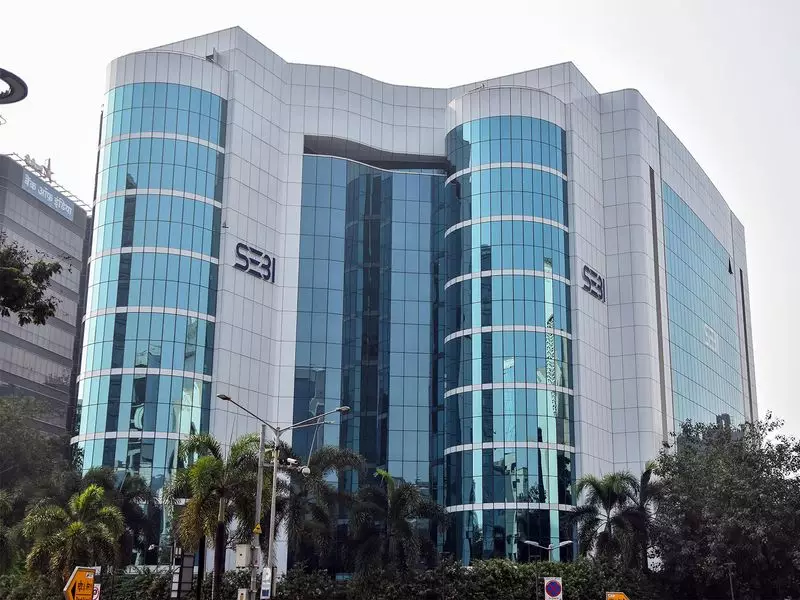
In a significant move aimed at simplifying procedures for investors, the Securities and Exchange Board of India (SEBI) has substantially eased the documentation requirements for issuing duplicate securities. The market regulator has also increased the monetary threshold for such claims, providing major relief to investors who have lost their physical share certificates or bonds.
Key Changes in SEBI's New Framework
The central change announced by SEBI involves a major hike in the financial limit for processing duplicate securities requests. The regulator has raised the threshold from the existing Rs 2 lakh to Rs 10 lakh. This means that for claims up to Rs 10 lakh in value, the process for obtaining duplicate certificates will now be far more straightforward.
Alongside the limit increase, SEBI has simplified the documentation burden on investors. For claims falling under the new Rs 10 lakh ceiling, investors will no longer need to provide a Surety Affidavit or an Indemnity Bond. These were previously mandatory documents that added complexity and time to the process. The requirement for these documents will now only apply for claims exceeding Rs 10 lakh.

Rationale and Impact on Investors
This regulatory easing is part of SEBI's ongoing efforts to make the securities market more investor-friendly and reduce procedural hurdles. The process of obtaining duplicate certificates for lost or misplaced physical documents has long been seen as cumbersome. By raising the limit and removing key documentation steps, SEBI aims to expedite the resolution process for a vast majority of cases.
The decision is expected to benefit a large number of retail investors, especially those holding older physical certificates. It acknowledges the practical difficulties faced by individuals in arranging surety affidavits and simplifies the path to reclaiming their investments. This move enhances investor protection and confidence by ensuring that access to their securities is not unduly blocked by administrative formalities.
Implementation and Broader Context
The revised norms will be applicable to all entities involved in handling such requests, including Registrars to an Issue (RTIs) and Share Transfer Agents (STAs). SEBI has communicated these changes via a circular, directing these intermediaries to implement the new guidelines promptly.
This step aligns with SEBI's broader agenda of leveraging technology and simplifying regulations to improve the ease of transacting in the Indian securities market. While the push for complete dematerialisation of securities continues, a significant volume of physical certificates still exists. The new framework provides a pragmatic solution for investors stuck with these instruments, ensuring their rights are protected without excessive paperwork.
In conclusion, SEBI's decision to raise the duplicate securities limit to Rs 10 lakh and simplify documentation is a welcome reform. It directly addresses a common pain point for investors, making the market more accessible and user-centric. This proactive measure is likely to be widely appreciated by the investing community and reinforces SEBI's commitment to fostering a robust and hassle-free market ecosystem.