






Politics

DRI arrests mother-daughter duo with 11.4 kg crystal meth on Rajdhani Express
The DRI arrested a mother-daughter duo at Secunderabad railway station and seized 11.4 kg of crystal meth worth Rs 11.4 crore from their possession on Monday.





World
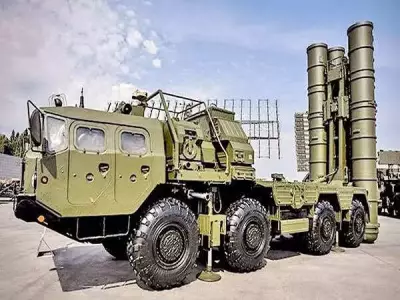
Russia Ships Fourth S-400 System to India, Arrival Expected by Mid-May
Russia has dispatched the fourth batch of S-400 Triumf defence systems to India, expected to arrive by mid-May. The fifth system is due in November. India also plans to acquire additional S-400 systems and missiles.

Entertainment
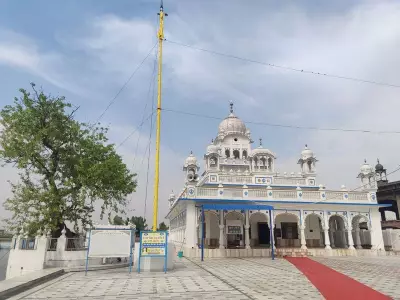
Baba Kishan Kanwar's Enduring Legacy of Faith at Amritsar's Ramdas
Explore the enduring legacy of Baba Kishan Kanwar, whose faith and teachings continue to inspire devotees at Ramdas in Amritsar, keeping his spiritual influence alive.



Business

Bengaluru Leads India's Startup Ecosystem in Q1 2026
Bengaluru accounted for over 40% of total startup funding in India during Q1 2026, solidifying its position as the country's leading startup hub.






Lifestyle



Technology

Kick Bans ChudtheBuilder Indefinitely After Racial Slur Controversy
Streamer ChudtheBuilder receives an indefinite ban on Kick after racial slurs and public harassment clips resurface, following a rejected appeal.

Two E-Scooters Gutted in Keonjhar, Short Circuit Suspected
Two battery-operated scooters caught fire in Keonjhar town, sparking panic among EV users. Fire officials suspect a short circuit, though the exact cause is unconfirmed.
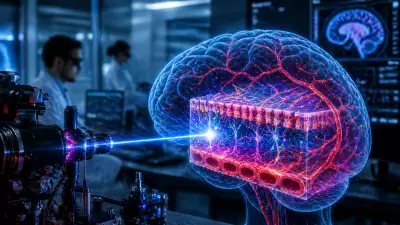
MIT Laser Technique Boosts Brain Imaging Speed 25 Times
MIT researchers transformed chaotic laser light into a stable pencil beam, enabling 3D brain imaging 25 times faster. The technique allows real-time tracking of drug delivery through the blood-brain barrier.
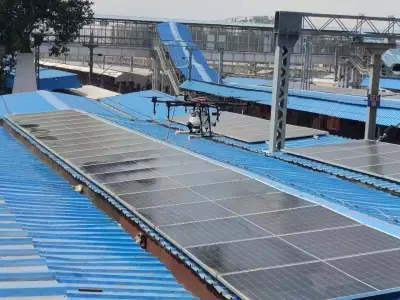
NCR Achieves Major Milestones in Sustainability and Safety in FY25-26
North Central Railway reports significant progress in renewable energy, safety, and passenger amenities in FY 2025-26, including 21.7 MWp solar capacity and KAVACH anti-collision system installation.

Ganga Expressway: HD Cameras Every Km to Ban Two-Wheelers
Uttar Pradesh's Ganga Expressway gets HD CCTV cameras at every km to enforce a two-wheeler ban, with automatic traffic management for accident response. The 594-km expressway aims to boost safety and economic growth.
