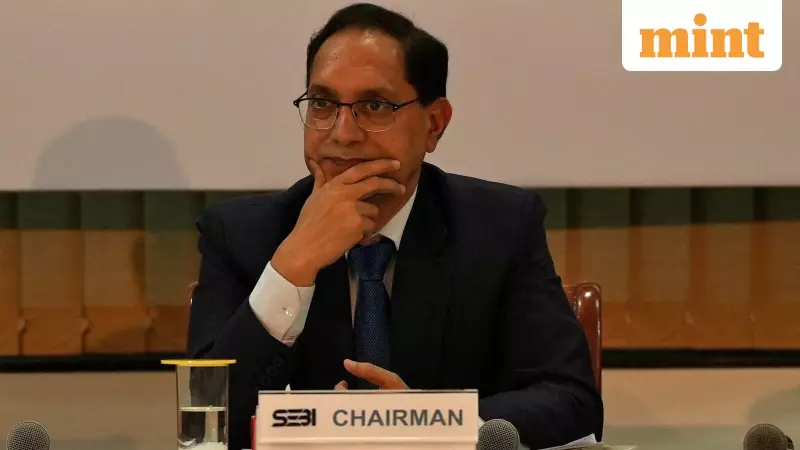
In a significant move aimed at bolstering transparency and protecting retail investors, the Securities and Exchange Board of India (Sebi) has announced a sweeping set of reforms. The decisions, taken during the regulator's board meeting on Wednesday, include a substantial cut in brokerage fees for mutual funds, simplified public listing disclosures, and a revamp of stockbroker regulations.
Major Reduction in Mutual Fund Costs
The capital markets regulator has aggressively slashed the brokerage costs that mutual funds can charge investors. For cash market transactions, the fee cap has been halved to 6 basis points (bps) from the existing 12 bps. In the derivatives segment, the limit sees an even sharper reduction to 2 bps from the current 5 bps. In a related move, Sebi has also eliminated an additional 5 bps charge that was previously levied over the exit load during investment redemptions.
These revised provisions are set to become effective from 1 April 2026. The step follows Sebi's October recommendation to overhaul fees that investors pay over and above the Total Expense Ratio (TER) to prevent double-charging for the same service. The TER, which represents a fund's annual expenses, will now be defined as the sum of the Base Expense Ratio (BER), brokerage, and statutory levies like GST and STT.

Sebi Chairperson Tuhin Kanta Pandey described the final proposal as a "balanced version" focused on making charges more visible. "If you want to attract people to your mutual fund, you can even offer lower than this. Our focus is on transparency," he stated.
Streamlined IPO Process and New Lock-in Rules
To aid retail investors in making informed decisions, the Sebi board approved amendments to the ICDR Regulations to introduce a draft abridged prospectus. This document will provide a concise, standardized summary of key offer details at the Draft Red Herring Prospectus (DRHP) stage, making it easier to grasp business fundamentals and risks without sifting through voluminous documents.
"A rationalized abridged prospectus, available early in the IPO process, will make it much easier for investors to quickly understand the fundamentals," said Makarand Joshi of corporate compliance firm MMJC and Associates.
Furthermore, Sebi approved a crucial change regarding pledged share lock-ins. Shares pledged by promoters will now be considered locked-in for the prescribed period, even if depositories cannot technically enforce it. If a pledge is invoked, the transferred shares will remain locked-in with the pledgee for the balance period, resolving a major operational hurdle during IPOs.
Stockbroker Regulation Overhaul and Other Key Decisions
In its first major update since 1992, Sebi has reorganized stockbroker regulations into 11 chapters for better readability. Stock exchanges will now act as the first-line regulators for brokers, who will report compliance and financials directly to them. The criteria for identifying 'qualified stockbrokers' have also been rationalized for improved supervision.
Other notable decisions include:
- Removing the requirement for listed companies to provide a Letter of Confirmation (LOC) to investors.
- Extending the timeline for transferring unclaimed funds to the Investor Protection Fund to seven years from the date of security maturity.
- Allowing issuers of debt securities to offer incentives like extra interest to senior citizens and women to boost participation.
- Permitting credit rating agencies to rate instruments under other financial regulators even without specific guidelines.
- Raising the threshold for High Value Debt Listed Entities (HVDLE) from ₹1,000 crore to ₹5,000 crore to ease corporate bond issuance.
Industry Impact and Deliberations
The fee reductions are anticipated to squeeze the margins of asset management companies (AMCs), potentially leading them to pass costs to distributors. An anonymous AMC official noted that smaller fund houses might be disproportionately affected as they negotiate block deals and research with brokers.

Sebi also indicated that it requires more time to deliberate on recommendations concerning conflict of interest and disclosure norms for its own officials, citing privacy concerns related to public asset disclosures and rules affecting officials' spouses.
Collectively, these measures represent Sebi's continued push towards a more transparent, cost-efficient, and investor-friendly capital market ecosystem in India.