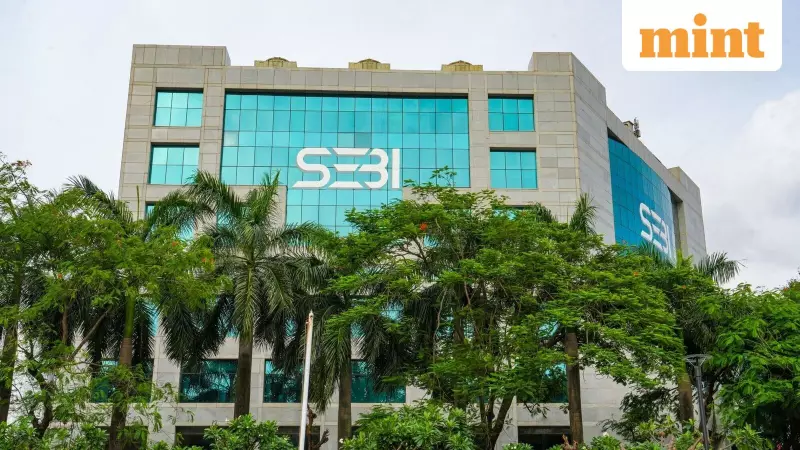
The Securities and Exchange Board of India (Sebi) and the Association of Mutual Funds in India (Amfi) are actively discussing potential reforms to make the mandatory examination for Specialized Investment Fund (SIF) distributors less challenging and more focused. This move aims to address the critically low number of qualified distributors, which is seen as a bottleneck for the growth of this new investment category.
The Core Issue: A Difficult and Irrelevant Exam
At the heart of the discussions is the NISM XIII (derivatives) examination, which is a compulsory requirement for anyone seeking a license to sell SIFs. According to sources familiar with the matter, the current format of the exam is considered disproportionately difficult and includes sections that are not relevant to the SIF products currently allowed in the market.
The exam is divided into three key sections: currency derivatives, equity derivatives, and interest rate derivatives. Distributors have pointed out a significant mismatch: Sebi has permitted Asset Management Companies (AMCs) to launch SIFs under seven specific strategies, none of which involve currency derivatives. The approved strategies include Equity Long Short Fund, Debt Long-Short Fund, and Hybrid Long-Short Fund, among others.

"There is no use case for currency derivatives. AMCs have built only equity derivatives products for now," noted Kartik Sankaran, a mutual fund distributor based in Mumbai. This irrelevance creates an unnecessary hurdle, forcing distributors to study complex topics they will not use in their day-to-day business of selling SIFs.
Proposed Solutions: Trimming Content and Adding Levels
The regulatory bodies are evaluating concrete steps to streamline the process. One primary option under consideration is the removal of the currency derivatives portion from the syllabus. This would immediately make the exam more aligned with the practical knowledge required.
Another innovative idea being floated is the introduction of a tiered or levelled exam structure. Under this system, mutual fund distributors could choose to be tested on topics specifically relevant to the type of SIF product they intend to market. "Sebi may introduce levels to make the exam more relevant. MFDs can choose the level they think is relevant to the product they sell," explained one of the persons aware of the talks.
It is important to note that while easing the process is a goal, the commitment to ensuring distributors understand product risks remains firm. "Anyone marketing this product needs to explain the risk. Amfi is not comfortable with diluting the exam but has suggested diluting currency derivatives," a source clarified. No other sections of the exam are expected to be removed.
Low Pass Rates and a Sluggish Product Launch
The difficulty of the current exam is not just theoretical; it has had a tangible impact on the distributor ecosystem. The NISM XIII exam is widely regarded as far more challenging than the standard mutual fund distributor certification, featuring more advanced mathematics, a focus on derivatives, and a negative marking scheme.
The data underscores the problem: as of September 19, only a little over 1,000 distributors had cleared the exam and applied for SIF registration. This pales in comparison to the base of approximately 180,000 registered mutual fund distributors (MFDs) in the country. Santosh Joseph of Germinate Investor Services highlighted the exam's toughness, stating, "Distributors are not used to such exams. I won’t be surprised if people fail in the first attempt."
This shortage of qualified sellers coincides with a slower-than-expected rollout of SIF products themselves. Launched in February to bridge the gap between mutual funds and Portfolio Management Services (PMS), SIFs have a minimum investment of ₹10 lakh. While many fund houses announced plans, only four products had successfully launched by October: offerings from Quant Mutual Fund, Edelweiss Mutual Fund, SBI Mutual Fund, and ITI Mutual Fund. These initial schemes collectively garnered inflows of about ₹2,004.56 crore.

Several other AMCs have secured brand approvals but have not yet brought products to market. Swarup Mohanty of Mirae Asset Management cited the need for market maturity and robust backend infrastructure. "The SIF needs more sellers. It’ll take time for distributors to grow," he added, indicating that simplifying the exam could be a key catalyst for this growth.
Industry experts believe that even with more distributors, the SIF segment will require time to gain substantial traction. The product is still in its nascent stage, with AMCs cautiously testing the waters. The proposed changes to the distributor exam represent a crucial step by regulators and the industry body to remove artificial barriers and foster a healthier ecosystem for this new, sophisticated investment avenue.