Nifty 50's 26,000 Challenge: What's Holding Back the Breakthrough?
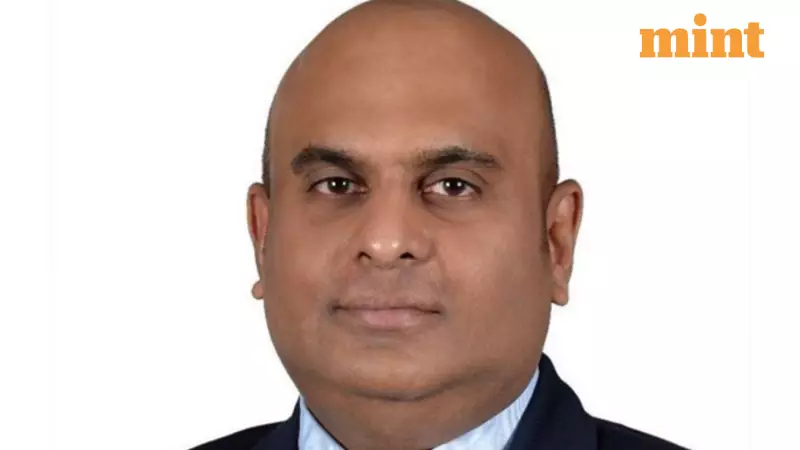
The Nifty 50 index continues its tantalizing dance around the 26,000 mark, yet breaking past its all-time high remains frustratingly out of reach. According to Chakri Lokapriya, Chief Investment Officer at LGT Wealth India, the market appears stuck in a holding pattern, awaiting stronger momentum to fuel the next major move upward.
The Earnings Conundrum: Why Growth Remains Modest
The primary obstacle preventing the Nifty 50 from achieving new heights is muted earnings growth. Despite approaching significant psychological barriers, the index struggles with fundamental support. In the second quarter of 2026, earnings grew by approximately 8-9%, indicating that while the slowdown is easing, it hasn't reversed direction.
Current valuations hover between 20x and 21x forward earnings, placing the market in a cautious zone. This valuation level, combined with modest earnings expansion, creates the perfect recipe for sideways movement until clearer momentum emerges.

Sector Performance: Leaders and Laggards Revealed
The recent earnings season delivered results that largely matched subdued expectations, with distinct patterns emerging across sectors. Metals and financial sectors emerged as leaders, providing crucial support to overall earnings. However, infrastructure sectors reflected uncertainty, particularly tied to evolving US-India trade dynamics.
The performance disparity across market segments tells a compelling story. While the Nifty 50 posted 8-9% earnings growth and the broader market managed 9-10%, small caps actually declined by 5-7%. More concerning, over one-third of the broader market companies missed EPS expectations, with the remainder barely meeting them.
IT Sector: Cautious Optimism Returns
India's major IT firms are showing tentative signs of recovery after a prolonged period of challenges. Following several quarters of guidance cuts, top-line growth expectations have been revised upward to 2-5%, boosted by the rupee's depreciation which provides a 25-30 basis points tailwind.
Three significant developments are reshaping the IT landscape. First, increased deal flows are emerging, though a confirmed uptrend depends on resolving the US-India tariff issue. Second, major players including TCS, Infosys, and HCL Tech stand positioned to benefit from corporate AI spending. However, current AI expenditure levels remain insufficient to drive a major earnings cycle for the Indian IT sector.
The evolution of generative AI reveals gradual progress. The technology has moved from simply answering questions in 2022-23 to generating insights in 2024-25, and now shows some reasoning capabilities in 2025-26. Despite these advances, AI's impact on enterprise IT budgets—the core revenue source for Indian IT—remains modest.
Gold's Resurgence: Beyond Safe-Haven Status
Gold has reclaimed prominence as a strategic asset, driven by more than just market uncertainty. Structural factors including central bank accumulation due to geopolitical risks and frozen foreign exchange reserves (as seen with Russia following the Ukraine invasion) are creating sustained demand. Supply constraints coupled with rising demand reinforce gold's role in well-diversified portfolios.
Investment Opportunities for the Next 12-18 Months
The macroeconomic backdrop suggests that economic support from GST cuts and credit easing is fading. While inflation sits at record lows of approximately 0.25%, the Reserve Bank of India maintains steady interest rates. Growth revisions appear positive but remain contingent on tariff agreements and global trade stability.
Financial services are likely to be the first beneficiaries of any economic revival. As growth accelerates, credit demand and capital flows typically lead the way, making this sector particularly attractive for forward-looking investors.
The market's direction will ultimately depend on earnings momentum returning to support current valuations. Until then, investors should maintain vigilance and focus on sectors showing fundamental strength amid the ongoing uncertainty.