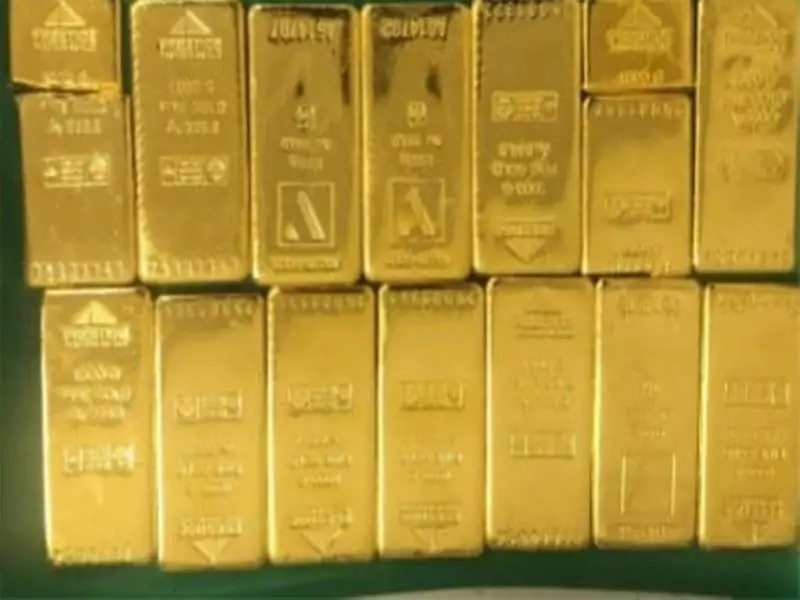
In a bullish outlook for precious metals, global investment bank Goldman Sachs has projected significant gains for gold and silver over the next two years, while foreseeing a period of consolidation for copper. The bank's analysts have set ambitious price targets, driven by a combination of monetary policy shifts and structural demand factors.
Precious Metals Set for a Major Rally
Goldman Sachs has placed a strong 12-month price target of $2,700 per ounce on gold. Looking further ahead, they maintain a constructive view, expecting the yellow metal to average around $2,600 per ounce in 2025. The primary catalyst for this surge is anticipated to be interest rate cuts by the US Federal Reserve. The bank's analysis suggests that once the Fed begins its easing cycle, gold will attract substantial investment flows, propelling its price upward.
The outlook for silver is even more spectacular on a percentage basis. Goldman Sachs forecasts silver to reach $32 per ounce within the next 12 months. This prediction implies a powerful rally from current levels. The bank's optimism for silver is rooted in its dual role as both a monetary metal and a critical industrial component, especially in the green energy sector.

Copper Enters a Phase of Consolidation
In contrast to the meteoric rise expected for gold and silver, Goldman Sachs presents a more tempered view for copper in the near term. The bank anticipates that copper will enter a period of consolidation throughout 2025. This phase is expected as the market digests recent gains and awaits clearer signals on the global macroeconomic landscape.
However, the long-term narrative for copper remains firmly positive. Analysts highlight that the fundamental driver for copper is the global transition to green energy. Copper is an indispensable material for electrification, electric vehicles, and renewable energy infrastructure. This structural demand is predicted to create sustained tightness in the market, setting the stage for higher prices beyond the consolidation phase.
Key Drivers and Market Implications
The divergent forecasts for these key commodities hinge on several interconnected factors. For gold and silver, the dominant theme is financial and monetary. The expectation of a weaker US dollar and lower opportunity cost of holding non-yielding assets like bullion during a rate-cutting cycle is a classic bullish driver. Additionally, ongoing geopolitical tensions and central bank buying continue to provide a solid floor for gold prices.
For copper, the story is more closely tied to the real economy and industrial cycles. While green demand is a powerful long-term force, short-term cyclical factors like the pace of global manufacturing recovery and Chinese demand significantly influence price movements. The consolidation phase predicted for 2025 reflects this balancing act between immediate economic headwinds and a powerful long-term demand thesis.
For investors in India, one of the world's largest consumers of gold, these forecasts are particularly relevant. A rise in international gold prices directly impacts domestic prices, affecting everything from jewellery demand to investment flows into gold ETFs and sovereign bonds. The silver forecast also highlights a potential opportunity in a metal that has historically outperformed gold during bull markets.
Goldman Sachs's report underscores a strategic view: precious metals are poised for a financial-led rally, while industrial metals like copper require patience as they navigate short-term challenges before their long-term, green-energy-driven story fully takes hold.