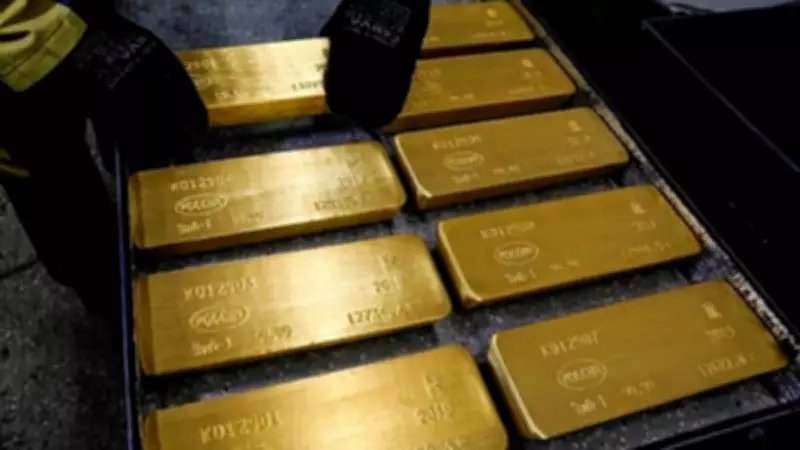
Gold Prices Slide to Nearly Four-Month Low Amid Middle East Tensions
Gold prices have experienced a significant decline, reaching their lowest point in almost four months. This drop is primarily attributed to escalating tensions in the Middle East, which are stoking fears of inflation and creating volatility in global financial markets.
Impact of Geopolitical Unrest on Commodity Markets
The ongoing conflicts in the Middle East have heightened concerns about potential disruptions to oil supplies and broader economic stability. As a result, investors are closely monitoring the situation, with gold, often seen as a safe-haven asset, reacting to the inflationary pressures that such geopolitical risks can introduce.
Key factors contributing to the decline in gold prices include:

- Increased uncertainty in the Middle East leading to risk aversion among traders.
- Rising inflation expectations as tensions threaten to drive up energy costs.
- Shifts in investor sentiment towards other assets amid market volatility.
Market Reactions and Future Outlook
Analysts note that the slide in gold prices reflects broader market anxieties. While gold typically benefits from geopolitical turmoil, the current scenario is complicated by inflation fears, which can erode the metal's appeal as a store of value. This has led to a sell-off in gold, pushing prices to levels not seen since early this year.
Looking ahead, market participants will be watching for developments in the Middle East and their impact on global economic indicators. Any escalation could further influence gold prices, while a de-escalation might provide some relief to the commodity market.
In summary, the recent downturn in gold prices underscores the complex interplay between geopolitical events and financial markets, with Middle East tensions serving as a critical driver of current trends.