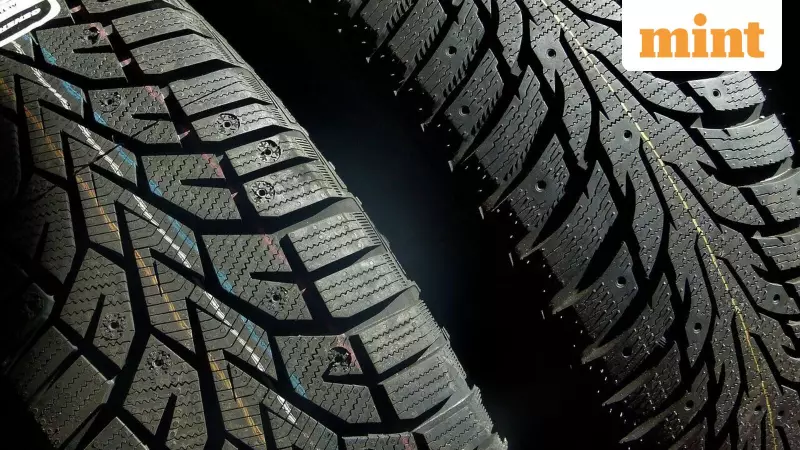
Apollo Tyres Ltd finds itself in a challenging phase, grappling with a complex mix of regional demand trends and strategic investments that are expected to limit near-term profitability expansion. While its domestic operations show strength, external headwinds and significant marketing expenditure are creating a clouded outlook for the tyre manufacturer.
Divergent Regional Performance: India Shines, Europe Lags
According to a recent interaction with analysts from Motilal Oswal Financial Services, Apollo Tyres' management reported a healthy demand environment in India during the third quarter. This resilience spans key segments, including both the replacement market and supplies to original equipment manufacturers (OEMs). The company has benefited from a demand boost linked to cuts in goods and services tax (GST) rates and a recovery in export volumes.
In stark contrast, the European market continues to be a persistent challenge. After showing some growth in October, demand weakened noticeably in November, with core markets remaining subdued. This regional divergence is a central theme in the company's current narrative.

Near-Term Margin Pressures and Strategic Costs
The most immediate pressure on profitability stems from Apollo Tyres' high-profile commitment as the lead sponsor of the Indian cricket team. The company has committed a substantial ₹580 crore to this sponsorship, spread over two and a half years. Analysts at Motilal Oswal note that this financial impact is likely to reflect in the company's results from the third quarter (Q3) onwards, acting as a constraint on overall margin expansion in the near term.
This comes after a period of margin improvement. The company's consolidated Ebitda margin rose by 130 basis points year-on-year to 14.9% in the September quarter (Q2FY26), marking a six-quarter high. This recovery from 13.2% in Q1 was aided by softening raw material costs. However, the outlook for input costs has shifted. Management had earlier anticipated softer costs in the second half of the fiscal year, but trends visible in Q3, including Indian rupee depreciation and cyclone-related disruptions to rubber production in Thailand, now suggest costs will remain stable quarter-on-quarter.
Long-Term Strategy and Market Share Dynamics
Analysts point out that Apollo Tyres continues to walk a tightrope between market share and profitability. In a review last month, Elara Securities (India) highlighted this ongoing struggle. The company's market share in the truck and bus radial (TBR) replacement segment stood at around 29% in Q2, while its passenger car radial (PCR) replacement share was 20%.
Notably, the management has emphasized a strategic shift. "Apollo consciously avoided low-margin PCR OEM tenders, leading to some share loss, but management emphasized a return to a profitable OEM mix rather than chasing volume," Elara Securities pointed out. This focus on profitability over pure volume growth defines its current approach in a competitive market.
On a positive note for the longer term, profitability in Europe is expected to receive a boost from the planned closure of the Enschede facility, scheduled for completion by the end of June.
The cumulative effect of these factors is reflected in the stock's performance. Over the past year, Apollo Tyres' shares have declined by approximately 8%. According to Bloomberg data, the stock currently trades at about 19 times its estimated FY27 earnings. With muted European demand, a slow replacement market recovery, and the near-term drag from sponsorship costs, the company faces a set of clear headwinds that investors are closely watching.