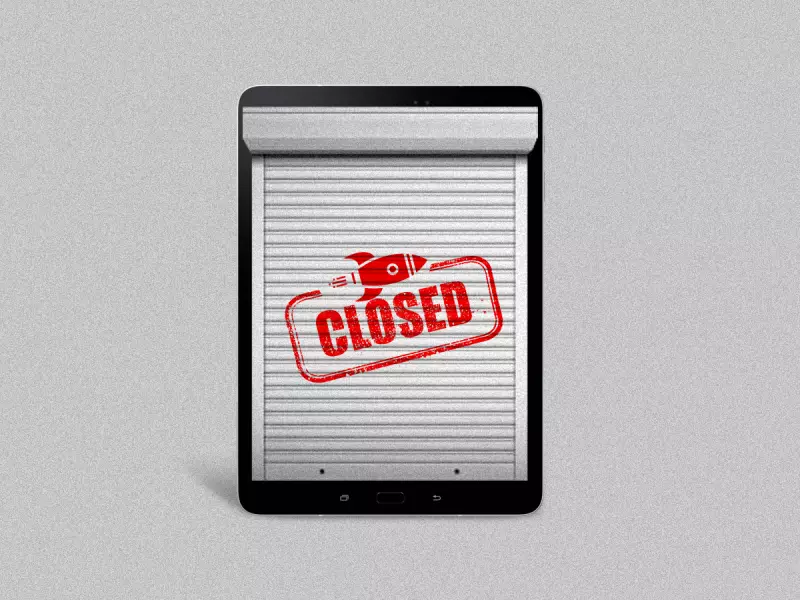
The year 2025 presented a paradox for India's entrepreneurial landscape. While the ecosystem demonstrated greater resilience compared to the turbulent 2024, it was also a year of significant reckoning. Official data from the Department for Promotion of Industry and Internal Trade (DPIIT) reveals a sobering statistic: approximately 730 startups ceased operations this year. This figure underscores a harsh reality where even well-funded and highly visible companies were not immune to failure.
High-Profile Casualties: From Delivery to Ride-Hailing
Among the most notable shutdowns was Dunzo, the hyperlocal delivery platform once backed by Reliance Retail. Despite a massive infusion of $240 million in 2022, the company could not withstand mounting debt, a failed IPL sponsorship, and intense competition from rivals like Swiggy Instamart and Zepto. Its fate was sealed by September when co-founder Kabeer Biswas exited to join Flipkart's quick-commerce venture, marking the end of Dunzo's journey.
In a shocking development for the cleantech sector, electric ride-hailing service BluSmart abruptly suspended operations in April. The collapse was triggered by a SEBI investigation into Gensol Engineering, a company promoted by BluSmart's founders. While Gensol held no direct equity in BluSmart, it owned a significant portion of its EV fleet, creating critical financial ties. Allegations of a ₹262 crore fund siphoning scam, forged documents, and misuse of funds led to a rapid downfall, with the fleet eventually being transitioned to Uber.

Pivots and Market Shifts: The Gaming and Commerce Downturn
The gaming and social app landscape also saw a major exit. Hike, founded by Kavin Bharti Mittal, announced its global shutdown in September. In a reflective LinkedIn post, Mittal cited shifting market dynamics and regulatory challenges, particularly the Indian government's ban on online real-money gaming, as key reasons. The company had pivoted to real-money gaming in 2021, a move that ultimately proved unsustainable post-ban, leading to the decision to cease investments and shut down the platform.
The content-commerce model faced a severe test with the winding down of the Good Glamm Group. Once nearing unicorn status, the startup's strategy of acquiring multiple beauty and personal care brands, like Sirona and The Mom's Co, failed to generate the intended synergies. The company succumbed to heavy debt and stalled growth, leading to the closure of its operations.
The Hyperlocal and Agri-Tech Struggle
The pandemic-born agri-tech startup Otipy, founded by ex-Blinkit CTO Varun Khurana, also shut down in May. Its model of connecting consumers directly with farmers via resellers was overwhelmed by the aggressive expansion of 10-minute delivery services. Despite raising $44.2 million, the startup could not overcome severe cash flow issues, delayed salaries, and unpaid vendor dues, culminating in its closure.
The collective narrative of these shutdowns points to a maturing market where runway management, unit economics, and regulatory compliance have become as critical as innovation and funding. The failure of celebrated names serves as a stark reminder that in the high-stakes world of Indian startups, resilience is continually tested by financial discipline, adaptive business models, and the ability to navigate an increasingly complex competitive and regulatory environment.