

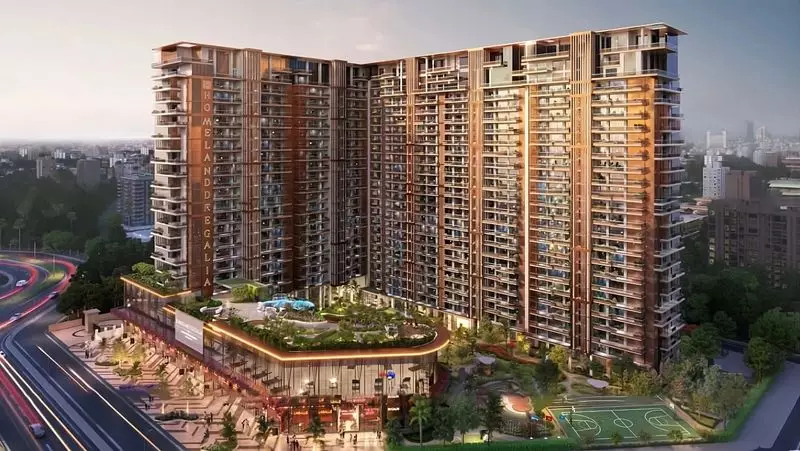
The landscape of Indian real estate is undergoing a profound and permanent shift. No longer just about bricks and mortar, the sector is now fundamentally realigning itself to cater to the dramatic evolution in lifestyles, work patterns, and consumer priorities accelerated by the global pandemic. This transformation is reshaping everything from residential apartments and villas to commercial offices and retail spaces.
The Core Drivers of Change in Property Demand
A confluence of powerful factors is dictating this new direction. The most significant catalyst has been the widespread adoption of hybrid and remote work models. This single change has dismantled the traditional necessity of living close to the office, freeing homebuyers to consider locations based on quality of life, affordability, and space rather than mere proximity to business districts. The demand for dedicated home offices or study rooms has become a standard expectation, not a luxury.
Parallelly, there is a heightened collective focus on health, wellness, and sustainability. Homebuyers are actively seeking developments that offer ample ventilation, natural light, open green spaces, and amenities that promote physical and mental well-being, such as jogging tracks, yoga decks, and meditation zones. This "wellness-centric" approach is now a major selling point for new projects.

Furthermore, the integration of technology into daily life has made smart home features a baseline demand. From app-based security and utility management to voice-controlled appliances and energy-efficient systems, tech-enabled living is a key priority for the modern Indian homebuyer.
How Builders and Developers are Responding
Forward-thinking developers across India's major metros and tier-2 cities are not just observing these trends but actively designing projects around them. The archetypal urban apartment is being reimagined. Flexible floor plans that allow residents to customize spaces for work, leisure, or family are gaining popularity. Developers are incorporating co-working spaces within residential complexes to cater to remote professionals and entrepreneurs, blurring the lines between home and office.
In the commercial real estate segment, the rigid office layout is giving way to dynamic, collaborative environments. Companies are opting for smaller office hubs or flexible workspaces in suburban locations closer to where employees live, reducing commute times. These new-age offices prioritize employee experience with breakout areas, wellness rooms, and superior air quality systems, understanding that the workplace must now compete with the comfort of home.
The retail sector is also pivoting. With the boom in e-commerce, physical stores are transforming into experience centers. Malls and high-street outlets are focusing on creating immersive environments, hosting events, and offering dining and entertainment options to draw footfalls, moving beyond mere transactional spaces.
The Future Outlook and Market Implications
This realignment is more than a temporary phase; it represents a structural change in the Indian property market. The cities and developments that successfully integrate these evolving lifestyle needs are poised to see sustained demand and value appreciation. The trend is also fueling growth in suburban and peripheral areas of major cities, as well as in tier-2 and tier-3 cities, which offer more space and a better cost-of-living ratio.
For investors and end-users alike, the criteria for evaluating a property have expanded. It is no longer just about the square footage and price per square foot. The new checklist includes: the quality of life offered by the project, its adaptability to future needs, the integration of green and smart technologies, and the developer's vision for fostering a community. The Indian real estate market is maturing, moving from a commodity-driven model to one centered on experience, well-being, and future-ready design.






