Karnataka Government Intensifies Probe into Massive Property Registration Scam
In a significant development, the Karnataka government is currently examining whether fraudulent property transactions, including a high-profile Rs 250-crore deal between Infosys and real estate firm Puravankara, are fit for cancellation. This scrutiny comes as part of a broader investigation into a registration scam that has rocked the state's real estate sector.
Widespread Irregularities Uncovered Across Multiple Offices
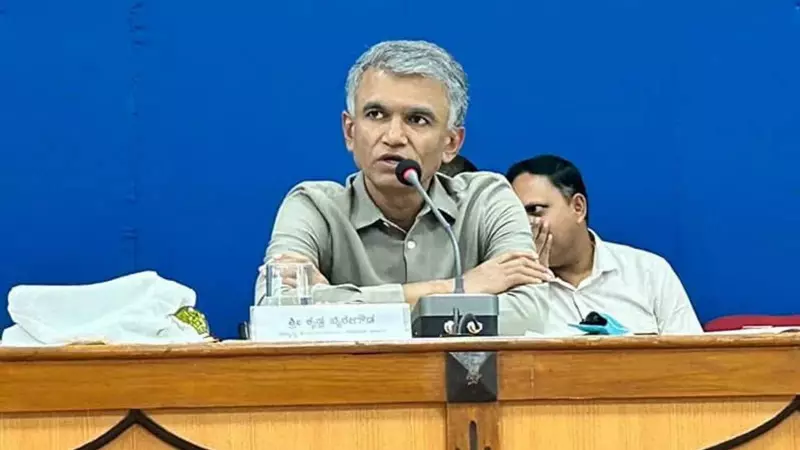
Revenue Minister Krishna Byre Gowda has revealed that the Department of Stamps and Registration is reviewing more than 330 high-value property registrations for alleged irregularities. The investigation spans five sub-registrar offices where officials allegedly violated established norms to illegally register properties by exploiting lacunae in the Kaveri 2.0 portal.
"We are examining whether such registrations are fit for cancellation," stated Gowda during an exclusive conversation with media representatives. The minister confirmed that apart from three sub-registrar offices in Bengaluru, irregularities have also been reported from the Belagavi and Mysuru sub-registrar offices, indicating a potentially widespread issue.

Suspension of Officials and Technical Exploitation
Earlier this month, Mullai Muhilan M P, Inspector General of Registration and Commissioner of Stamps, took decisive action by suspending the sub-registrars involved in these fraudulent activities. The officials were accused of failing to import mandatory e-khata (digital property record) details from the e-swathu software during property registrations, leading to the illegal registration of sale deeds over a one-year period between December 6, 2024, and December 5, 2025.
The Infosys-Puravankara deal, which made headlines in December last year, has come under particular scrutiny for not utilizing an e-khata for the transaction. This omission raises serious questions about the legitimacy of the registration process for this substantial corporate real estate transaction.
System Vulnerabilities and Ongoing Audit
The Kaveri 2.0 portal, designed specifically to prevent manual tampering and ensure proper documentation through e-khata requirements, appears to have been circumvented through technical manipulation. Investigators have discovered that a specific workflow intended for court-ordered registrations was allegedly exploited in these fraudulent property registrations, highlighting potential security vulnerabilities in the system.
Following the discovery of these irregularities, Mullai Muhilan ordered a comprehensive investigation into such registrations across the state. "We are checking such registrations across the state. We are conducting an audit on that," he emphasized, indicating that the probe may extend beyond the currently identified cases.
Broader Implications for Real Estate Transactions
This developing situation raises significant concerns about the integrity of property registration processes in Karnataka and the potential for stamp duty evasion through technical loopholes. The government's examination of whether these fraudulent registrations can be cancelled represents a crucial step toward restoring confidence in the state's real estate documentation system.
As the investigation continues, stakeholders in Karnataka's real estate sector await further clarity on the extent of the irregularities and the government's proposed measures to prevent similar exploitation of registration systems in the future.