Infrastructure Wave to Shape Real Estate's Future Growth Corridors
India's real estate sector stands on the brink of a major transformation. Experts now say that a massive infrastructure push will define its future growth corridors. This development promises to reshape investment landscapes and urban expansion patterns across the country.
Experts Weigh In on the Infrastructure Impact
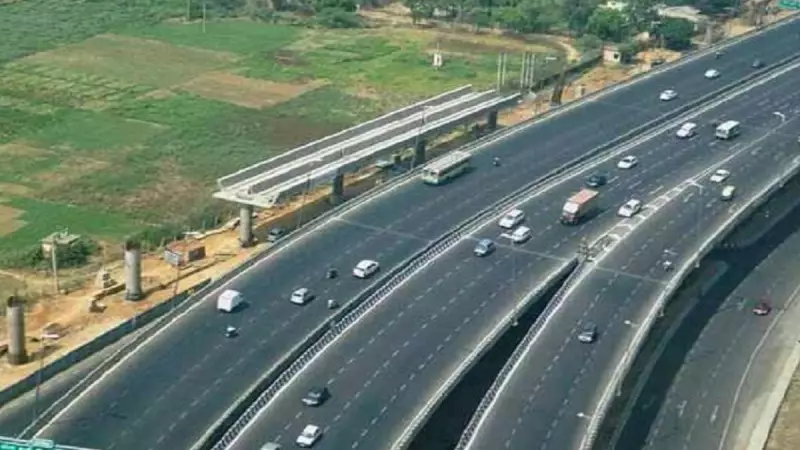
Industry analysts highlight the direct link between infrastructure projects and real estate value. They point to new highways, metro lines, and airport expansions as key drivers. These projects do not just improve connectivity. They also unlock previously inaccessible land for development.
One real estate consultant explained the trend clearly. "Infrastructure acts as a catalyst. It pulls commercial and residential projects toward new growth hubs. We see this already in corridors linking major cities."

Identifying the Key Growth Corridors
Several regions emerge as focal points for this infrastructure-led growth. The Delhi-Mumbai Industrial Corridor continues to attract significant attention. Similarly, corridors around Bengaluru, Hyderabad, and Chennai show strong potential.
Experts emphasize that these areas benefit from multiple factors:
- Enhanced transportation networks reduce commute times and logistics costs.
- Government policies actively support infrastructure development in these zones.
- Private investors show increasing interest in corridor-adjacent properties.
The Ripple Effects on Real Estate Markets
This infrastructure wave creates noticeable ripple effects. Property values in well-connected corridors often experience steady appreciation. Demand for both residential and commercial spaces rises in these newly accessible locations.
Developers now prioritize projects along these strategic routes. They anticipate long-term growth fueled by continuous infrastructure improvements. This shift marks a significant change from previous real estate cycles.
Challenges and Considerations
Despite the optimistic outlook, experts caution about several challenges. Sustainable development remains a critical concern. Rapid expansion must balance economic growth with environmental protection.
Infrastructure projects also face implementation delays and funding issues. These hurdles can temporarily slow real estate momentum in affected corridors. Investors need to conduct thorough due diligence before committing funds.
Looking Ahead: The Future Landscape
The consensus among experts points toward a reshaped real estate map. Infrastructure will increasingly dictate where growth happens. Corridors with robust transport and utility networks will outperform others.
This trend encourages a more planned approach to urban development. It also offers new opportunities for investors and homebuyers willing to explore emerging locations. The infrastructure wave, experts conclude, is not just building roads and rails. It is laying the foundation for India's next real estate boom.