

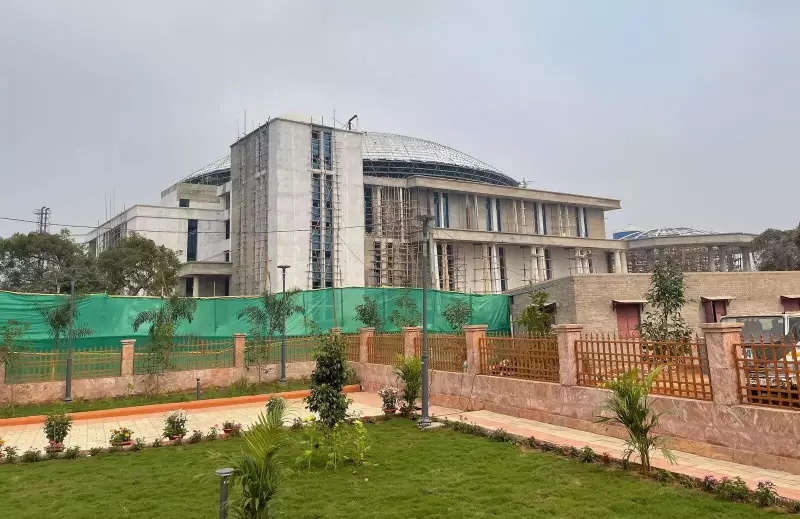
The year 2025 emerged as a definitive period of change and recalibration for the real estate sector in Odisha. Characterized by assertive regulatory actions, crucial judicial pronouncements, and a strong emphasis on planned urban expansion, the landscape underwent a significant transformation aimed at protecting homebuyers and ensuring sustainable growth.
Regulatory Tightening and Judicial Clarity
The Odisha Real Estate Appellate Tribunal (OREAT) played a pivotal role in 2025 by delivering several landmark judgments that reinforced the rights of homebuyers. In one significant case, the tribunal upheld a directive from the Odisha Real Estate Regulatory Authority (ORERA), compelling a builder to secure the mandatory occupancy and completion certificates. Furthermore, the builder was ordered to transfer all common areas to the respective residents' welfare association.
In another crucial ruling, OREAT provided much-needed clarity on the responsibilities of financial institutions. The tribunal stated that when banks invoke the SARFAESI Act to recover dues from a defaulting developer, they effectively "step into the promoter's shoes." This makes the banks legally responsible for ensuring the completion of stalled housing projects, a decision that has major implications for project delivery and buyer protection.

Policy Reforms and Urban Planning Initiatives
Parallel to judicial interventions, the state government implemented key policy changes. It notified amendments to stamp duty rules, introducing scientific valuation norms designed to curb the widespread practice of under-reporting transaction values. This move aims to bring greater transparency and streamline property registration processes.
On the urban planning front, the Bhubaneswar Development Authority (BDA) made substantial progress on its Greater Bhubaneswar vision. A major step was the incorporation of 143 surrounding villages into the planning framework. The BDA also actively reviewed town planning schemes with a clear mandate: to ensure robust infrastructure development precedes habitation, promoting orderly and sustainable urban growth.
Market Sentiment and Persistent Challenges
From the start of 2025, ORERA mandated that all builders must upload occupancy and completion certificates to its official portal. This policy was intended to empower buyers with real-time, verified project status information. However, a persistent gap in compliance meant that the absence of these certificates continued to stall apartment registrations, highlighting ongoing issues with builder accountability.
Despite these regulatory headwinds for developers, the market sentiment, particularly in Bhubaneswar and Puri, received a boost during the festive season. Industry experts pointed to GST rationalization and rising demand for premium homes as key growth drivers. This optimism was further supported by the macroeconomic environment. The frequent repo rate cuts announced by the Reserve Bank of India (RBI) made home loans more accessible and affordable, injecting liquidity and positive sentiment into the sector.
In conclusion, 2025 set a new precedent for Odisha's real estate. While stricter regulations posed compliance challenges for developers, they marked a decisive shift towards a more transparent, accountable, and buyer-centric market, laying a stronger foundation for future growth.






