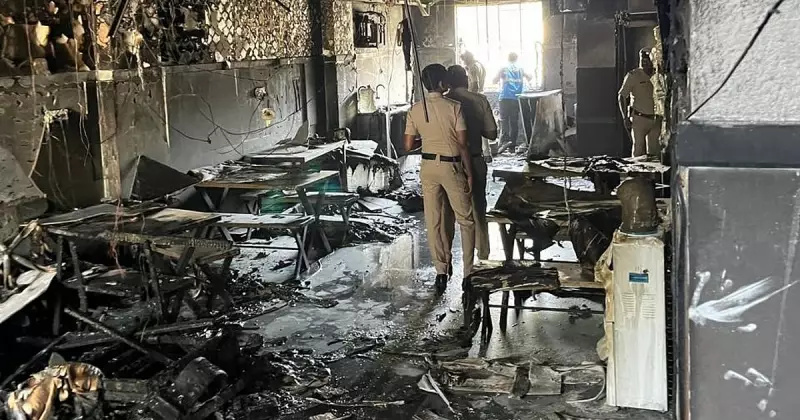
Bengaluru Cylinder Blast Exposes Illegal PG Operation
A devastating cylinder blast in Bengaluru's Kundalahalli area has brought to light a shocking regulatory failure. The tragedy occurred at the 7 Hills Sai Co-Living paying guest (PG) accommodation, a building that local residents in Brookfield claim was illegally constructed and even had a pending demolition order against it.
Long-Standing Protests Ignored
According to residents who spoke to DH, the community had been raising objections against the PG building from the very start. Protests began in 2020 when construction first commenced near the Ryan International School. The locals consistently voiced their concerns over the legality and safety of the structure, but their appeals appear to have gone unheeded by the authorities.
The situation reached a fatal climax on Monday, December 30, 2025. Preliminary investigations into the blast revealed a dangerous setup on the premises. On the day of the explosion, there were two commercial-grade gas cylinders and one domestic cylinder all stored together on the ground floor of the building. This hazardous storage practice in a densely occupied residential building is believed to have contributed to the scale of the tragedy.

A Tragedy Foretold
The revelation of the pending demolition order paints a grim picture of negligence. It suggests that the building, which housed numerous tenants, was operating despite not having proper legal clearance. The blast has now forced a harsh scrutiny of how such illegal constructions continue to function in the city, endangering lives.
The incident underscores a critical failure in urban governance and enforcement in Bengaluru. It raises urgent questions about the monitoring of building safety codes, especially for high-occupancy establishments like PG accommodations and co-living spaces, which have proliferated in the city's IT corridors.
As investigations continue, the focus is now on holding accountable those responsible for allowing the illegal structure to operate. The tragedy in Kundalahalli serves as a stark reminder of the human cost of regulatory apathy and the urgent need for stricter enforcement of building and safety laws in India's major metropolitan areas.