

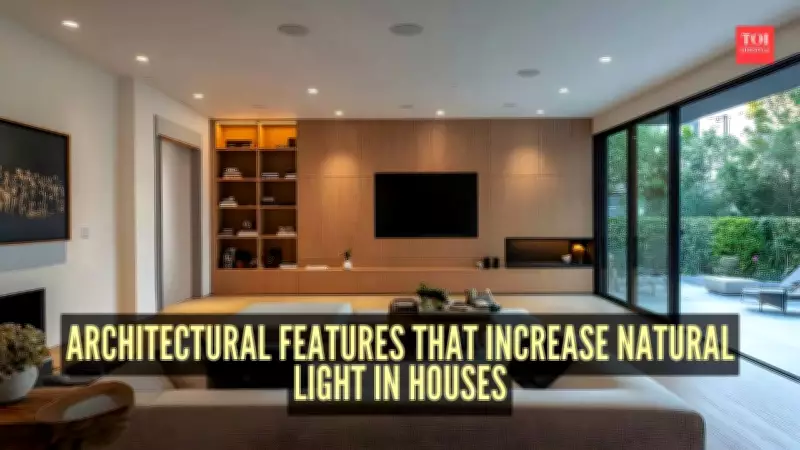
7 Architectural Features That Increase Natural Light in Houses
Natural light is a fundamental element that significantly enhances the sense of space and comfort within homes. A well-illuminated residence not only reduces reliance on artificial lighting during daylight hours but also fosters a healthy and pleasant atmosphere. Architects employ specific design strategies to optimize the penetration of sunlight, ensuring homes feel brighter and more inviting throughout the day.
Thoughtful architectural planning can dramatically improve how daylight flows through a house. By incorporating features that capture, reflect, and distribute sunlight effectively, homes can achieve a luminous and airy ambiance. Below, we explore seven architectural features that are instrumental in boosting natural light in residential spaces.
Skylights
Skylights are windows installed on the roof of a building, allowing natural light to flood into interior rooms. They are particularly effective in illuminating areas such as hallways, bathrooms, or staircases, where traditional windows might be limited. The use of skylights is highly beneficial as they enable abundant light entry during the day, minimizing the need for electric lighting and adding a modern aesthetic to the home.

Large Floor-to-Ceiling Windows
Incorporating expansive windows that stretch from the floor to the ceiling permits a room to receive substantial natural light. These windows create a visual connection to the outdoor environment, making spaces appear larger and more open. When positioned correctly, they maximize sunlight exposure, enhance ventilation, and contribute to the overall design appeal of the house.
Glass Doors and Sliding Panels
Glass doors or sliding panels facilitate the passage of light while maintaining a clear division between indoor and outdoor areas. Commonly used in living rooms, balconies, and garden-facing spaces, these transparent surfaces allow natural light to permeate interior areas, resulting in a bright and welcoming environment.
Open Floor Plans
An open floor plan eliminates unnecessary interior walls, enabling light to travel freely across connected spaces. By removing barriers, areas such as living rooms, dining spaces, and kitchens share the same natural illumination. This design approach not only boosts brightness throughout the home but also makes rooms feel more spacious and interconnected.
Light Wells or Courtyards
Light wells and courtyards are vertical openings in a house's structure that allow sunlight to enter from above. These features are especially advantageous in densely built urban homes where external windows might be limited. They ensure the interior remains well-lit even when exterior windows are absent, providing consistent illumination to core areas of the house.
Clerestory Windows
Clerestory windows are positioned high on walls, above eye level, allowing light to enter without compromising privacy. They are particularly useful in living rooms and other communal spaces, where they can flood the area with natural light while maintaining a sense of seclusion for the inhabitants.
Reflective Surfaces and Light-Coloured Interiors
Architectural design also focuses on how light behaves once it enters a room. Light-coloured walls, ceilings, and reflective materials such as glass or polished surfaces help bounce sunlight deeper into the space. This simple yet effective strategy increases overall brightness and creates an open, airy feel without the need for additional windows.
Natural lighting is a cornerstone of exceptional architectural design. Features like skylights, large windows, courtyards, and open floor plans are key to maximizing daylight in homes. By thoughtfully integrating these elements, houses can become brighter, more energy-efficient, and comfortable living spaces. Proper utilization of natural light not only enhances a home's aesthetic appeal but also promotes a healthier indoor environment.






