Bengaluru's LPG Crisis Sparks Urgent Need for Fuel-Efficient Cooking Practices
With persistent LPG supply disruptions continuing to affect households across Bengaluru, residents are becoming increasingly conscious about optimizing their cooking gas usage. While the current situation has created an urgent need for fuel conservation, adopting mindful kitchen practices offers lasting benefits—reducing wastage, lowering household expenses, and enhancing overall energy efficiency in daily cooking routines.
Expert Advice: Three Simple Practices Can Cut Fuel Use by 30%
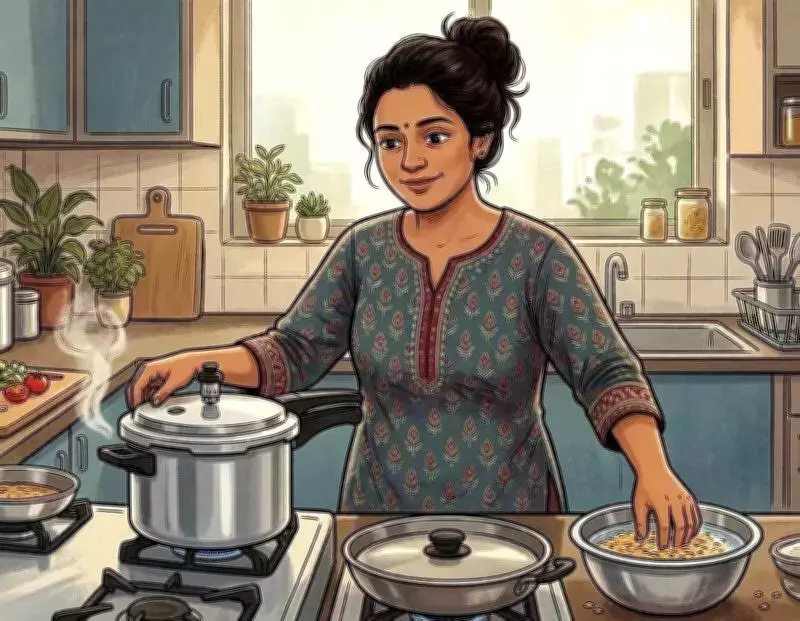
Health coach and author Dr. Nandita Iyer emphasizes that just three fundamental practices—using a pressure cooker, soaking ingredients before cooking, and cooking with a closed lid—can dramatically reduce kitchen fuel consumption by nearly 30%. Here are her comprehensive top 10 recommendations for minimizing your gas bill while maintaining cooking effectiveness.
1. Maximize Pressure Cooker Efficiency
Pressure cooking stands as one of the most efficient culinary methods available, capable of reducing cooking time by 30–70%. This technique proves particularly effective for foods that typically require extended preparation periods.

- Dal and lentils
- Various beans and legumes
- Potatoes and root vegetables
- Meat and poultry dishes
2. Implement Strategic Ingredient Soaking
Soaking pulses, beans, and rice before cooking can accelerate preparation time by 30–50%, delivering significant savings in both time and fuel consumption. Follow these recommended soaking durations for optimal results.
- Rajma or chana: 8–10 hours
- Dal varieties: 30–60 minutes
- Rice: 20–30 minutes
3. Optimize Burner Size Selection
Most Indian gas stoves feature multiple burner sizes designed for different cooking tasks. Strategic utilization of these burners can prevent substantial gas wastage.
- Small burner: Ideal for preparing tea, making tadka, or reheating small portions
- Large burner: Best suited for boiling water or pressure cooking operations
Always ensure the flame does not extend beyond the circumference of your cooking vessel, as this represents pure fuel wastage.
4. Embrace Lid-Covered Cooking
This seemingly simple habit can reduce fuel consumption by 20–25% through multiple mechanisms.
- Effectively retains heat within the cooking vessel
- Minimizes evaporation during the cooking process
- Accelerates overall cooking time through improved heat retention
5. Utilize Strategic Vegetable Cutting
Cutting vegetables into smaller pieces significantly reduces cooking time due to two primary factors.
- Increased surface area allows for more efficient heat transfer
- Enhanced heat penetration reaches the vegetable core more rapidly
For instance, diced potatoes cook substantially faster than large chunks, delivering both time and fuel savings.
6. Master Multi-Item Cooking Techniques
Employ stacking methods within your pressure cooker to prepare multiple dishes simultaneously. A practical example includes arranging dal at the bottom, rice in a vessel above it, and vegetables in a small bowl placed on top. Even in smaller cookers, you can cook one vegetable directly in the cooker while placing another in a small cup positioned above it.
7. Maintain Clean Burner Functionality
Blocked burner holes lead to inefficient combustion, directly increasing LPG consumption. Regular burner cleaning every few weeks ensures several benefits.
- Consistent blue flame production
- Faster heating capabilities
- Reduced overall LPG usage
A yellow flame indicates incomplete combustion, which wastes valuable fuel without providing equivalent cooking power.
8. Harness Residual Heat Potential
Many foods continue cooking even after the flame has been extinguished. Switching off your gas supply 2–3 minutes earlier than usual can yield meaningful fuel savings. This technique works particularly well with certain food categories.

- Rice or khichdi preparations
- Pasta dishes
- Boiled vegetables
- Dal after pressure cooking completion
9. Select Appropriate Cookware Materials
Heavy, flat-bottomed cookware distributes heat more evenly and cooks food faster than thin alternatives. Recommended materials include several options.
- Stainless steel with thick base construction
- Triply steel compositions
- Cast iron for slow cooking applications
Thin vessels lose heat easily and can substantially increase fuel usage over time.
10. Develop Smarter Cooking Habits
Adopting a few efficient cooking habits can transform your kitchen's energy profile. Consider implementing these practical strategies.
- Use an electric kettle to boil water for tea, pasta, vegetable blanching, or pressure cooker supplementation—often more energy-efficient than LPG for water heating
- Batch-cook staples like rice, dal, beans, or potatoes for 2–3 meals simultaneously, refrigerating extra portions for later consumption
This approach ensures the same fuel consumption yields multiple meals, dramatically improving overall cooking efficiency.
As Bengaluru residents navigate ongoing LPG supply challenges, these expert-recommended practices offer practical solutions for reducing household fuel consumption while maintaining culinary effectiveness. Beyond immediate crisis management, these techniques establish sustainable kitchen habits that deliver long-term economic and environmental benefits.