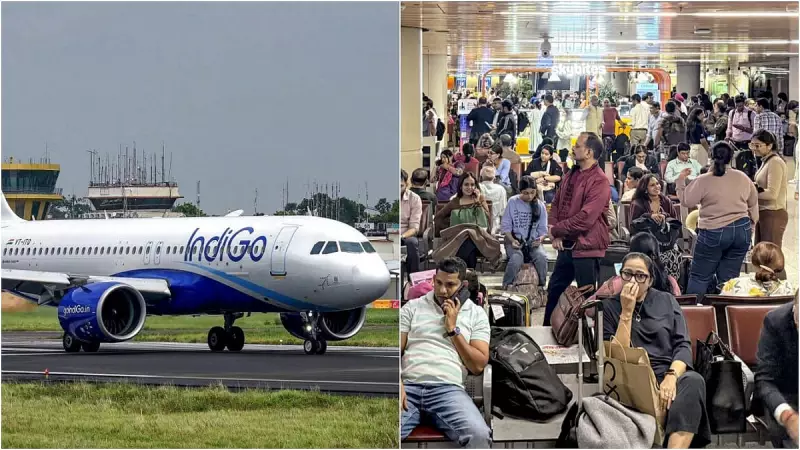
India's aviation sector faced significant turmoil on December 4, 2025, as the country's largest carrier, IndiGo, was forced to cancel over 100 flights in a single day. This unprecedented disruption left thousands of passengers stranded across major airports, leading to long queues and widespread frustration at terminals nationwide.
A Perfect Storm of Operational Challenges
The mass cancellations were not the result of a single factor but a confluence of several critical issues. Aviation authorities and industry experts point to a combination of a new pilot roster rule mandated by the Directorate General of Civil Aviation (DGCA), technical glitches within the airline's systems, and adverse weather conditions in certain parts of the country. This triple whammy severely strained IndiGo's operational resilience, leading to a cascading effect on its schedule.
Decoding the Primary Causes
The newly implemented DGCA rule on pilot duty hours and mandatory rest periods is considered a primary contributor. While designed to enhance flight safety and prevent crew fatigue, the rule's immediate enforcement created rostering challenges, leaving the airline short of available crew for some scheduled flights. This was compounded by reported technical issues in the airline's scheduling software, which hampered efficient management and reassignment of resources. Furthermore, unexpected bad weather in key operational hubs added another layer of complexity, delaying aircraft rotations and exacerbating the crew shortage problem.

Impact on Passengers and Airport Chaos
The fallout was immediate and severe for travelers. Airports in Delhi, Mumbai, Bengaluru, and Hyderabad witnessed scenes of chaos. Thousands of passengers found themselves stranded, facing uncertainty and long waits at customer service desks. Social media was flooded with complaints and images of crowded terminals as the airline struggled to accommodate affected flyers on alternative flights or process refunds. The incident has raised serious questions about operational preparedness and contingency planning within the Indian aviation industry, especially for its leading low-cost carrier.
This large-scale disruption highlights the fragile balance in airline operations, where regulatory changes, technological reliability, and environmental factors can intersect to create major travel headaches. It serves as a stark reminder of the need for robust backup systems and more phased implementation of new rules to ensure minimal passenger inconvenience while upholding safety standards.