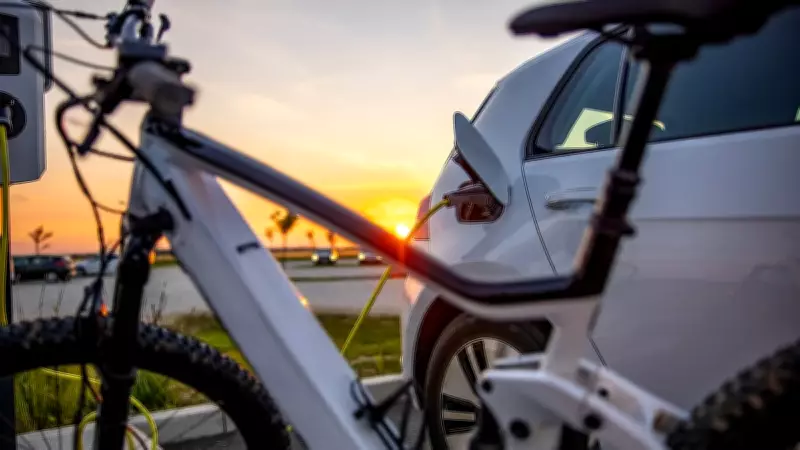
West Asia Conflict Sparks Oil Price Volatility, Boosting Electric Vehicle Adoption in India
The ongoing conflict in West Asia has triggered significant volatility in global crude oil markets, with prices surging sharply in recent weeks. This development is having a profound impact on India, a major oil-importing nation, where consumers and businesses are now re-evaluating their mobility choices. The rising cost of fuel is lending a strategic charge to the adoption of electric vehicles (EVs) across the country.
Economic Pressures Drive Shift Toward Electric Mobility
As crude oil prices climb due to geopolitical tensions in West Asia, the economic burden on Indian households and enterprises is intensifying. The increased expense of petrol and diesel is compelling many to seek alternatives that offer long-term cost savings. Electric vehicles, with their lower operational costs compared to traditional internal combustion engine vehicles, are emerging as a compelling solution. This shift is not merely a trend but a strategic response to mitigate financial strain in an uncertain energy landscape.
Energy Security Concerns Amplify EV Appeal
Beyond immediate cost considerations, the West Asia conflict has heightened concerns about energy security in India. The nation's heavy reliance on imported crude oil makes it vulnerable to supply disruptions and price shocks stemming from international conflicts. By transitioning to electric vehicles, which can be powered by domestically generated electricity from renewable sources, India can reduce its dependence on foreign oil. This move aligns with broader national goals of enhancing energy independence and sustainability.

- Rising Fuel Costs: The surge in oil prices makes EVs more economically attractive due to lower charging expenses.
- Government Incentives: Policies such as subsidies and tax benefits under schemes like FAME II are encouraging EV purchases.
- Technological Advancements: Improvements in battery technology and charging infrastructure are boosting consumer confidence.
- Environmental Awareness: Growing public consciousness about climate change is supporting the shift to cleaner transportation options.
Businesses and Consumers Embrace Electric Alternatives
The impact of oil price volatility is evident across various sectors. Commercial fleets, including delivery services and ride-hailing companies, are increasingly integrating EVs to curb operational expenses. Similarly, individual consumers are showing greater interest in electric cars, scooters, and bicycles, driven by the prospect of reduced fuel bills and maintenance costs. This collective move is accelerating the growth of India's EV market, which is poised for significant expansion in the coming years.
In summary, the West Asia conflict has acted as a catalyst, highlighting the strategic importance of electric vehicles in India. As oil prices remain volatile, the shift toward EVs is expected to gain further momentum, supported by economic incentives and energy security imperatives. This transition not only addresses immediate financial concerns but also contributes to a more sustainable and resilient transportation ecosystem for the future.