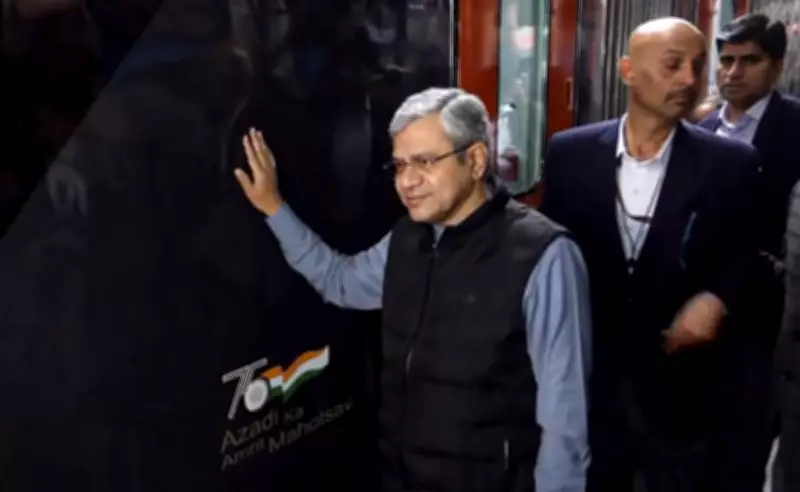
Indian Railways Receives Historic Rs 2.78 Lakh Crore Allocation in Interim Budget 2026-27
The Indian Railways has been granted a monumental financial push in the Interim Budget for the fiscal year 2026-27, with an unprecedented allocation of Rs 2.78 lakh crore. This record-breaking budget allocation underscores the government's unwavering commitment to transforming the nation's railway infrastructure into a world-class, efficient, and safe transportation network. The substantial funding is poised to accelerate a wide array of ambitious projects aimed at modernization, enhancing passenger safety, and expanding connectivity across the country.
Focus on Modernization and Safety Enhancements
A significant portion of the allocated funds is earmarked for critical modernization initiatives and safety upgrades. Key areas of focus include:
- Track Renewal and Electrification: Accelerating the pace of track renewal and expanding electrification to reduce carbon emissions and operational costs.
- Advanced Signaling Systems: Implementing state-of-the-art signaling technologies like Kavach to prevent accidents and improve train scheduling.
- Rolling Stock Upgrades: Procuring new locomotives, coaches, and high-speed trains to enhance passenger comfort and freight capacity.
- Station Redevelopment: Transforming major railway stations into modern transit hubs with improved amenities and commercial facilities.
These investments are expected to significantly boost the operational efficiency of the railways, reduce travel times, and provide a safer journey for millions of passengers daily.

Expansion of Railway Network and Connectivity
The budget allocation also prioritizes the expansion of the railway network to improve connectivity, particularly in remote and underserved regions. This includes:
- New Rail Lines: Construction of new railway lines to link economically important areas and boost regional development.
- Dedicated Freight Corridors: Further development of dedicated freight corridors to decongest existing routes and enhance freight movement efficiency.
- Metro and Regional Rail Projects: Supporting urban transit systems and regional rail networks to address growing urbanization challenges.
By expanding the rail network, the government aims to foster economic growth, create employment opportunities, and provide seamless connectivity for both passengers and goods.
Economic and Strategic Implications
The record allocation to the railways is not just an infrastructure boost but a strategic move with far-reaching economic implications. It is expected to:
- Stimulate Economic Growth: Large-scale infrastructure projects will generate jobs and stimulate demand in related sectors like steel, cement, and manufacturing.
- Reduce Logistics Costs: Improved rail infrastructure will lower logistics costs, making Indian exports more competitive in the global market.
- Promote Sustainable Transport: By prioritizing electrification and efficient operations, the railways will contribute to India's climate goals and reduce reliance on fossil fuels.
This budget reflects a long-term vision to position Indian Railways as a backbone of the nation's economic development and a key player in achieving sustainable growth targets.
Challenges and Future Outlook
While the allocation is historic, effective implementation remains crucial. Challenges such as land acquisition, project delays, and technological integration need to be addressed promptly. The success of this budget will depend on streamlined execution, transparency in fund utilization, and continuous monitoring of project milestones.
Looking ahead, the Interim Budget 2026-27 sets a strong foundation for the railways' transformation. With sustained focus and efficient management, this investment could redefine India's transportation landscape, making railways a symbol of progress and innovation in the coming years.