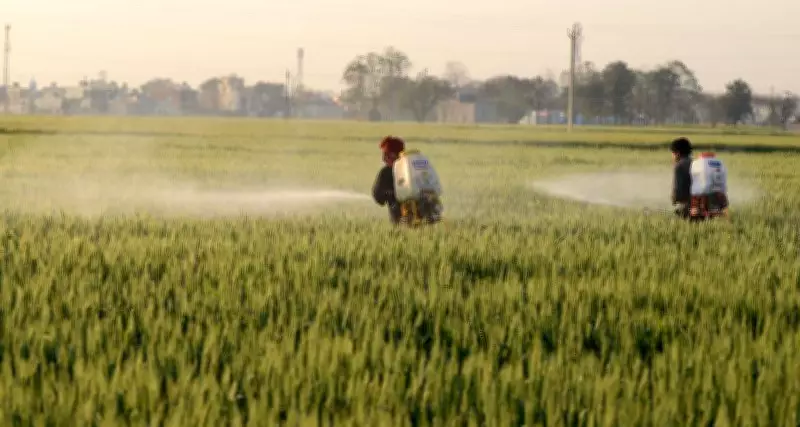
Experts Call for Punjab to Move Beyond Rice and Wheat
Agricultural experts are issuing a strong call for Punjab to diversify its crop patterns, stating that moving beyond the traditional reliance on rice and wheat is not merely an option but an absolute necessity for the state's future. This shift is seen as critical to addressing pressing environmental and economic challenges that threaten the region's agricultural sustainability.
The Need for Diversification
Punjab has long been known as the breadbasket of India, with its agricultural sector heavily dominated by rice and wheat production. However, this monoculture approach has led to significant issues, including severe groundwater depletion, soil degradation, and reduced farm profitability. Experts argue that continuing on this path is unsustainable and could jeopardize the state's food security and economic stability in the long run.
Diversification is no longer a choice; it is an imperative for Punjab's survival, said one agricultural economist. The over-reliance on these two crops has created a cycle of dependency that is increasingly difficult to break, especially in the face of climate change and fluctuating market demands.

Potential Benefits of Crop Diversification
Shifting towards a more varied crop portfolio could yield numerous benefits for Punjab. These include:
- Improved soil health through crop rotation and reduced chemical use.
- Enhanced water conservation by cultivating less water-intensive crops.
- Increased farmer incomes by tapping into high-value markets for fruits, vegetables, and pulses.
- Greater resilience to climate shocks and market volatility.
Experts suggest that crops such as maize, pulses, oilseeds, and horticultural products could play a key role in this transition. By adopting these alternatives, Punjab could reduce its environmental footprint while boosting economic growth and farmer welfare.
Challenges and the Way Forward
Despite the clear advantages, diversifying Punjab's agriculture faces several hurdles. These include entrenched farming practices, lack of infrastructure for alternative crops, and policy frameworks that favor rice and wheat. To overcome these obstacles, experts recommend a multi-pronged approach:
- Implementing government incentives and subsidies for diversified farming.
- Investing in research and development for high-yield, climate-resilient crop varieties.
- Strengthening market linkages and supply chains for non-traditional crops.
- Promoting awareness and training programs for farmers on sustainable practices.
In conclusion, the message from experts is clear: Punjab must act now to diversify its agricultural base. By moving beyond rice and wheat, the state can secure a more sustainable and prosperous future for its farming community and the broader economy.