Mahalakshmi Saras 2026, a flagship event celebrating rural entrepreneurship in Maharashtra, has once again put the spotlight on the state's grassroots economic strength, with women entrepreneurs taking center stage. The event, held in Mumbai, showcased a diverse range of products and services from rural women, highlighting their contribution to the local economy and their ability to innovate despite limited resources.
Empowering Rural Women
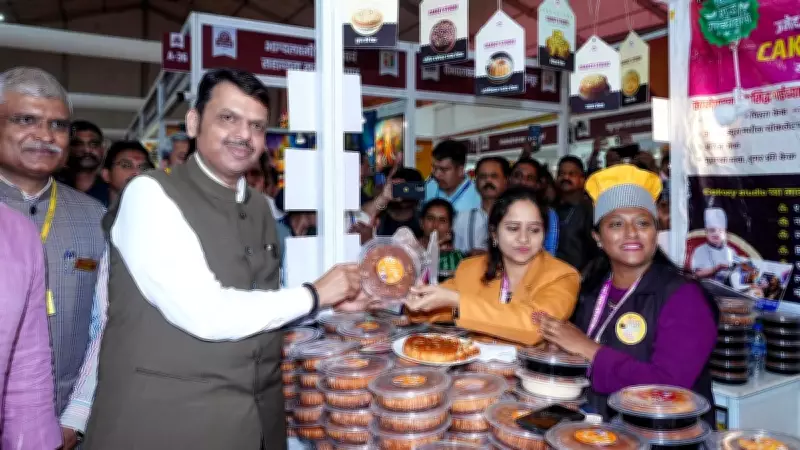
The exhibition featured over 500 stalls, with more than 70% run by women from various districts of Maharashtra. From traditional handicrafts and organic food products to modern tech solutions, the range of offerings demonstrated the versatility and creativity of rural women entrepreneurs. Many of these women have overcome significant challenges, including lack of access to formal education and financial resources, to build successful businesses.
Key Highlights
- Organic Products: A significant number of stalls focused on organic farming and natural products, reflecting a growing trend towards sustainable living.
- Handicrafts: Traditional art forms like Warli painting and Paithani weaving were prominently featured, with women artisans showcasing their skills.
- Technology Integration: Several women entrepreneurs presented digital solutions for agriculture and rural development, indicating a shift towards tech-enabled businesses.
Government Support and Initiatives
The Maharashtra government has been proactive in supporting rural women entrepreneurs through various schemes and subsidies. The event served as a platform to announce new initiatives, including a dedicated fund for women-led startups in rural areas and training programs in digital marketing and financial literacy. Chief Minister Devendra Fadnavis, who inaugurated the event, emphasized the government's commitment to fostering an ecosystem where rural women can thrive.

Economic Impact
The economic impact of such events is substantial. According to officials, the total business generated during the three-day fair is expected to exceed INR 50 crore, with many women entrepreneurs securing bulk orders from retailers and exporters. This not only boosts their income but also creates a ripple effect in their communities, encouraging other women to pursue entrepreneurship.
Challenges and the Way Forward
Despite the successes, challenges remain. Access to formal credit, market linkages, and mentorship are still major hurdles for many rural women entrepreneurs. Experts suggest that more needs to be done to bridge the digital divide and provide continuous support beyond such events. The government has assured that it will work with financial institutions and private sector partners to address these issues.
Success Stories
Among the participants was Sunita Patil from Nashik, who started a small-scale organic spice business with just INR 5,000. Today, her annual turnover exceeds INR 20 lakh, and she employs 15 women from her village. Similarly, Priya Deshmukh from Kolhapur showcased her line of eco-friendly packaging made from banana fiber, which has gained popularity among urban buyers. These stories are a testament to the resilience and entrepreneurial spirit of rural women in Maharashtra.
Conclusion
Mahalakshmi Saras 2026 has once again proven that rural Maharashtra is a powerhouse of entrepreneurship, with women at the forefront. The event not only provides a platform for showcasing products but also fosters networking and knowledge sharing. As the government and private sector continue to support these initiatives, the future looks bright for rural women entrepreneurs in the state.