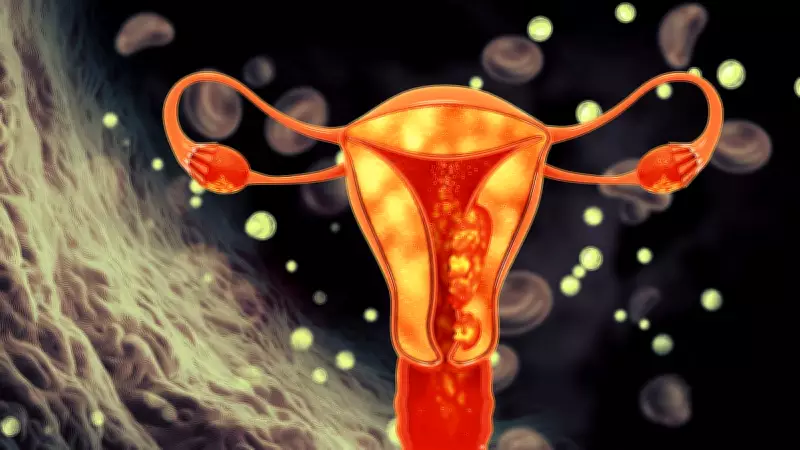
The condition previously known as Polycystic Ovary Syndrome (PCOS) has been renamed to Polycystic Metabolic Syndrome (PMOS) to better reflect its multi-system metabolic impact. This change shifts the focus from fertility clinics to general physicians, recognizing the disorder's broader health implications.
Misleading Name Delayed Diagnosis
The term PCOS was a misnomer, as it emphasized ovarian cysts and fertility issues, leading to fragmented treatment. Many women were diagnosed only when seeking fertility help, overlooking metabolic complications. The new name PMOS highlights that it is a multi-system endocrine disorder affecting metabolism, hormones, and organs beyond the ovaries.
Multi-System Disorder
PMOS is now recognized as a condition involving insulin resistance, hyperandrogenism, and chronic inflammation. It impacts not just reproductive health but also cardiovascular, hepatic, and metabolic systems. This broader understanding allows for earlier intervention and comprehensive care.

Metabolic Complications
Insulin resistance and high testosterone create a vicious cycle, increasing risks of type 2 diabetes, non-alcoholic fatty liver disease, and cardiovascular problems. Women with PMOS are also more prone to hypertension and dyslipidemia. The renaming underscores the need to address these systemic issues.
Diagnosis Expansion
General physicians are now authorized to diagnose PMOS, moving beyond the traditional reliance on gynecologists and fertility specialists. This change aims to identify the condition earlier and manage its metabolic aspects effectively. The diagnosis now includes criteria such as menstrual irregularities, clinical or biochemical hyperandrogenism, and metabolic disturbances.
Treatment Evolution
Newer therapies, including GLP-1 receptor agonists, may now be prescribed for PMOS. These medications help manage weight, insulin resistance, and hormonal imbalances, offering better symptom control. Lifestyle modifications remain cornerstone treatments, but pharmacological options have expanded.
Globally, approximately 170 million women are affected by PMOS, with a prevalence of one in eight women. The renaming follows 14 years of collaborative efforts among endocrinologists, gynecologists, and primary care physicians to align terminology with the condition's pathophysiology. This change is expected to improve patient outcomes through earlier diagnosis and holistic management.