Kolkata Street Food Vendors Return to Coal Stoves Amid LPG Shortage Crisis
In a significant shift driven by necessity, roadside eateries across Kolkata are quietly transitioning from modern LPG ovens back to traditional coal-fired chulhas. This move comes as a direct response to the acute shortage and unreliable availability of commercial LPG cylinders, which has left many small food businesses scrambling for alternatives.
Vendors Forced to Adapt as LPG Supply Falters
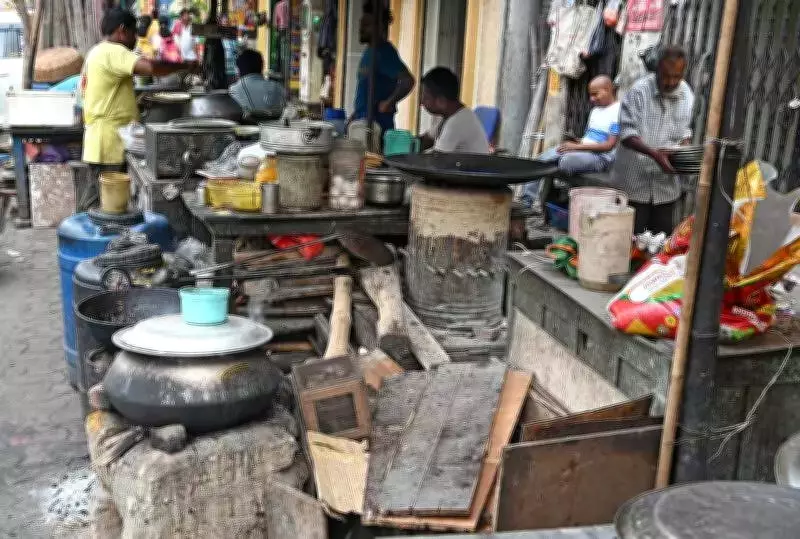
Akshaymal Gond, who operates a popular 'bhaater hotel' on Ganesh Chandra Avenue, made the switch to coal as his primary cooking fuel starting Tuesday. "Now, I need around 50 kg of raw coal to operate four mud-made chulhas," Gond revealed. He had proactively purchased two clay stoves from Chitpore market as standby equipment on Monday, anticipating further supply issues.
The situation is creating ripple effects throughout the local economy. Coal sellers in central Kolkata neighborhoods are reporting a sudden and dramatic surge in demand. Lalji Das, a coal supplier based in Goaltuli Lane, noted, "We usually supply between 350 kg and 380 kg of coal daily, but on Tuesday alone, we delivered 500 kg." He added that many new customers, primarily small eatery owners, have been inquiring about prices and availability.

Economic and Operational Challenges Mount
Das pointed out that coal prices have remained relatively low over the past few months, ranging from Rs 15 to Rs 18 per kilogram. However, with the sudden influx of new buyers from the food sector and a limited number of coal shops operating in the city, there are growing fears that prices could rise sharply in the coming days.
Not all vendors find the transition straightforward. Shyamal Das, a 59-year-old fast food stall owner, expressed deep concern. "I have just a day's worth of LPG left. I will have to shift to a kerosene stove soon," he said. While he considered using a clay stove as an alternative, he explained that his high-selling items like chole bhature and noodles require intense, consistent heat that coal-fired stoves cannot reliably provide.
Krishna Prasad Gupta, who runs a tea and snacks shop in the bustling Chandni Chowk area, shared a similar story. "I shifted to LPG after the Covid-19 pandemic for cleaner operations. But now, I may have to return to using a mud-made chulha," he lamented, highlighting the regression in cooking technology forced by the crisis.
Environmental Warnings Sound as Carbon Footprint Rises
Environmental experts are raising alarms about the potential consequences of this widespread shift back to coal. Auto emission specialist Somendra Mohan Ghosh warned, "If roadside eateries and other small businesses start using coal instead of LPG, carbon footprints will rise significantly due to increased emissions of greenhouse gases." He predicted that the Air Quality Index (AQI) in affected areas could begin deteriorating soon if the trend continues unchecked.
Broader Impact on Kolkata's Food Scene
The LPG shortage is already forcing some establishments to close temporarily. Ajay Maity, who operates a pice hotel on Sambhu Nath Pandit Street, reported paying an extra Rs 400 for a commercial cylinder on Monday. "Two eatery owners here have kept their shops closed since Monday," Maity added, indicating he too is planning to switch to a clay stove to stay in business.
This unfolding situation underscores the vulnerability of Kolkata's vibrant street food culture to supply chain disruptions. As vendors navigate between operational viability, economic pressures, and environmental impacts, the city's iconic culinary landscape faces an uncertain transition period.