Kerala's Hospitality Industry Confronts LPG Crisis Amid Geopolitical Tensions
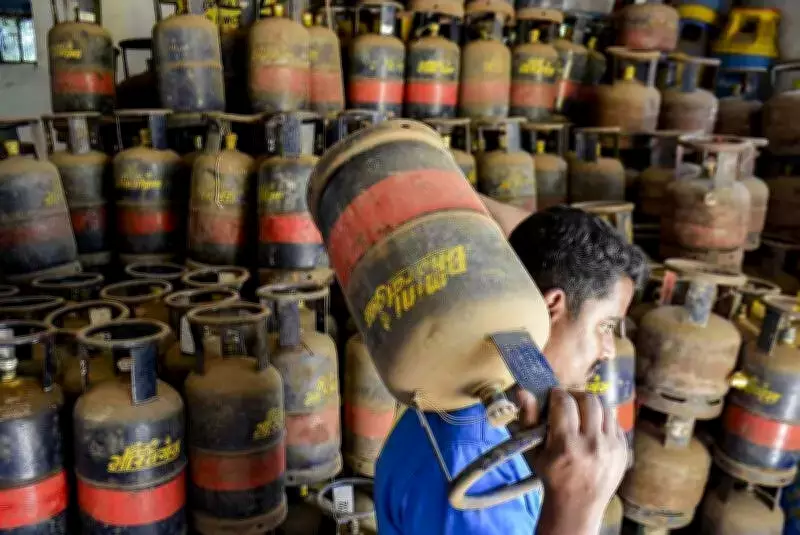
The hotel and restaurant sectors across Kerala are grappling with an escalating crisis as severe shortages of commercial cooking gas cylinders threaten widespread shutdowns. This critical supply disruption stems directly from the ongoing war in the Middle East, which has destabilized energy supply chains globally.
Immediate Threat to Thousands of Establishments
With multiple distribution agencies halting deliveries since Tuesday, thousands of hospitality businesses throughout Kerala now face potential closure. The situation has deteriorated rapidly, particularly in major urban centers like Kochi and Thiruvananthapuram, where the impact is most acute. Industry representatives warn that many establishments will be forced to down shutters imminently if the broken supply chain is not restored.
"The crisis took a dramatic turn for the worse on Tuesday," stated N Abdul Razak, general secretary of the Kerala Hotel and Restaurant Association (KHRA). "While the entire state is vulnerable, major cities are feeling the brunt. Businesses are depleting their existing stocks at an alarming rate."

Industry Scale and Economic Implications
The scale of this crisis is substantial. Kochi alone hosts approximately 8,000 establishments ranging from small roadside eateries to luxury hotels, while Kerala boasts over one lakh hospitality businesses statewide. The potential closures carry severe economic consequences, including massive job losses and significant disruption to daily life for students, workers, and patients who rely on these establishments for meals.
Restaurant owners are exploring emergency measures to remain operational, including limiting menus, implementing reheating strategies, and shifting to electric stoves. However, such transitions face practical hurdles as most commercial kitchens are not designed for alternative cooking methods and require formal approval from food safety authorities.
Supply Chain Breakdown and Government Response
The supply disruption originates from bottling plants of three major oil companies in Chennai, which have ceased filling commercial cylinders to prioritize domestic LPG supplies. Distributors have explicitly warned restaurants, eateries, and hotels that no new commercial cylinder supplies will be available once existing stocks are exhausted, with statewide shortages expected within two to three days.
In response to the escalating situation, the Kerala Hotel and Restaurant Association has submitted urgent memorandums to the offices of the Prime Minister, the Petroleum Minister, and the Chief Minister, pleading for immediate intervention. Meanwhile, the central government has invoked the Essential Commodities Act of 1955 to safeguard domestic cooking gas supplies, though commercial operations remain vulnerable.
Geopolitical Roots and Strategic Vulnerabilities
This crisis highlights India's strategic energy vulnerability. The current shortage is directly linked to geopolitical tensions affecting the Strait of Hormuz, the narrow but vital maritime corridor through which approximately 80% to 85% of India's LPG imports transit. As the primary conduit for Middle Eastern fuel shipments, any disruption in this critical waterway immediately destabilizes India's energy market, with cascading effects on commercial sectors nationwide.
Hoteliers express particular concern about customer expectations during this crisis. "As people are paying for accommodation and meals, they may not be accommodative of a significantly reduced menu," noted one hotelier. "We are preparing to sensitize guests if such a situation becomes unavoidable."
The industry now faces a precarious balancing act: remaining operational with limited resources while navigating regulatory requirements and customer expectations, all against the backdrop of international conflict that shows no immediate signs of resolution.