Kazakhstan's Game-Changing Discovery: A Rare Earth Bonanza
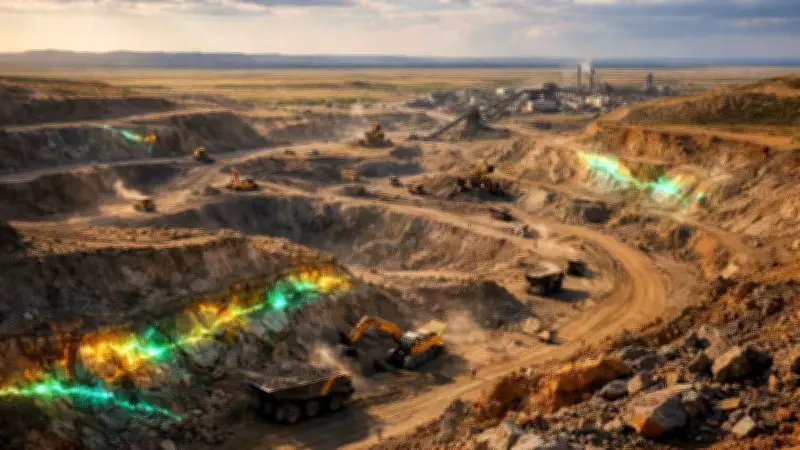
Kazakhstan, a nation long synonymous with vast oil reserves and sprawling steppes, has suddenly emerged on the global technology radar with a groundbreaking geological find. Beneath the Karagandy region, geologists have reportedly identified a rare earth deposit that preliminary assessments suggest could rank among the largest such reserves worldwide.
Strategic Minerals for a High-Tech Future
The deposit contains critical elements including neodymium, cerium, lanthanum, and yttrium—minerals essential for manufacturing electric vehicles, wind turbines, smartphones, and various military applications. While these minerals represent tiny volumes, their strategic importance for clean energy, advanced electronics, and defense sectors cannot be overstated.
Initial estimates indicate approximately 935,400 metric tons of rare earth oxides at the site. Some informal reports suggest the total ore body might reach an astonishing 20 million tons, with an average concentration of 700 grams per ton. Local communities have already begun referring to the discovery area as "New Kazakhstan," reflecting its transformative potential.

From Transit Hub to Tech Powerhouse
This discovery could fundamentally alter Kazakhstan's economic trajectory, potentially shifting the country from its traditional roles as an oil producer and transit corridor to becoming a serious contender in global high-tech supply chains. Experts believe this development might introduce meaningful competition to China's current dominance in rare earth production, where China controls approximately 70% of global output and 85% of refining capacity.
The timing of this revelation appears strategically significant, with internal reports reaching government officials in late 2024, just before the EU–Central Asia Summit. Observers interpret this as a clear signal that Kazakhstan aims to establish itself as a provider of strategic minerals, not merely fossil fuels or transit routes.
Scientific Caution and Development Challenges
Despite the excitement, geologists emphasize the need for thorough evaluation. "To formally classify it as a deposit, comprehensive studies on hydrology, geomechanics, and economic viability are essential," noted Georgiy Freiman from PONEN during the 2025 MINEX Forum. Exploration efforts began in 2022, but formal classification remains pending, with environmental and commercial studies expected to continue into 2026.
Developing this resource presents substantial challenges. Large-scale extraction might not commence until 2031, requiring significant investment starting around $10 million—excluding costs for refining facilities and transportation infrastructure. Kazakhstan currently lacks domestic rare earth refining capabilities, making international partnerships crucial for full value-chain development.
Global Interest and Collaborative Efforts
The discovery has already attracted substantial international attention. Between 2020 and 2025, over $1 billion in private investment flowed into Kazakhstan's mining sector from major global firms including Rio Tinto, BHP, Fortescue, and Barrick. South Korea's KIGAM is actively involved, employing AI-powered surveys to accelerate exploration processes.
Kazakhstan's state mining company, Tau-Ken Samruk, is leading technical studies in collaboration with Canada's Ivanhoe Mines, testing advanced "Typhoon" deep-detection technology. While officials have not yet confirmed specific licensing or refining plans, these partnerships demonstrate the global mining industry's recognition of Kazakhstan's emerging mineral significance.
This rare earth discovery represents more than just geological fortune—it symbolizes Kazakhstan's potential pivot toward becoming a diversified, technology-oriented economy. As the world increasingly relies on these critical minerals for clean energy transitions and technological advancement, Kazakhstan's newfound resources could gradually reshape global supply dynamics and reduce strategic dependencies on single-source providers.