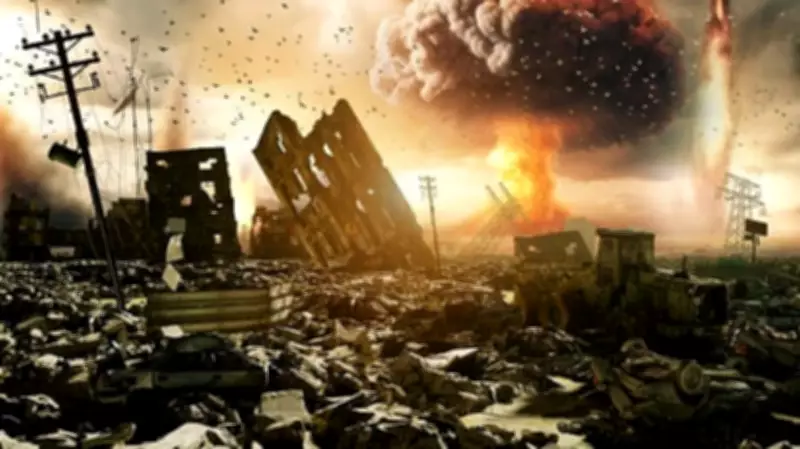
Beyond Geopolitics: Water Scarcity Emerges as the Silent Crisis Fueling Global Conflicts
In a world where geopolitical tensions and energy disputes often dominate the headlines, a far more profound and fundamental crisis is quietly building beneath the surface. Water scarcity is rapidly emerging as the underlying fault line that threatens to destabilize nations and exacerbate existing conflicts on a global scale.
The Hidden Catalyst in Modern Warfare
While today's wars and conflicts may appear to be driven by traditional factors such as territorial ambitions, political ideologies, and energy resources, the reality is that water is becoming an increasingly critical factor in these disputes. Energy undoubtedly fuels economic development and military power, but without access to clean, reliable water sources, life itself comes to a grinding halt. This fundamental truth is reshaping how we understand conflict in the 21st century.
The connection between water scarcity and geopolitical instability is becoming impossible to ignore. As populations grow, climate change intensifies, and existing water resources become increasingly strained, nations are finding themselves in direct competition for this most essential of resources. What begins as a drought or water shortage can quickly escalate into diplomatic tensions, border disputes, and even armed conflict.

From Resource Competition to Existential Threat
Unlike energy resources that power economies, water represents something far more basic and non-negotiable. Communities can adapt to energy shortages through conservation, alternative sources, or technological innovation, but there is no substitute for water when it comes to sustaining human life, agriculture, and basic sanitation. This makes water disputes particularly volatile and difficult to resolve through traditional diplomatic channels.
The emerging pattern is clear: regions experiencing severe water stress are becoming hotspots for instability. Shared river basins, transboundary aquifers, and watersheds that cross political boundaries are becoming flashpoints for tension. When multiple nations depend on the same limited water resources, and those resources begin to dwindle, the stage is set for conflict that transcends traditional geopolitical alignments.
A Crisis That Demands Immediate Attention
What makes the water crisis particularly alarming is its intersection with other global challenges. Climate change is exacerbating drought conditions in many parts of the world, while population growth increases demand for already strained resources. Agricultural systems that feed billions depend on reliable water access, and when that access is threatened, food security collapses alongside water security.
The international community must recognize that addressing water scarcity is no longer just an environmental or humanitarian issue—it has become a critical component of global security and conflict prevention. Nations that fail to manage their water resources sustainably are not just risking environmental degradation; they are potentially sowing the seeds for future conflicts that could dwarf current geopolitical tensions.
As we look toward the future, it becomes increasingly clear that any lasting peace or stability will require innovative approaches to water management, equitable resource sharing, and international cooperation on a scale rarely seen before. The wars of tomorrow may well be fought over the water that sustains life today, making this silent crisis one of the most urgent challenges facing humanity.