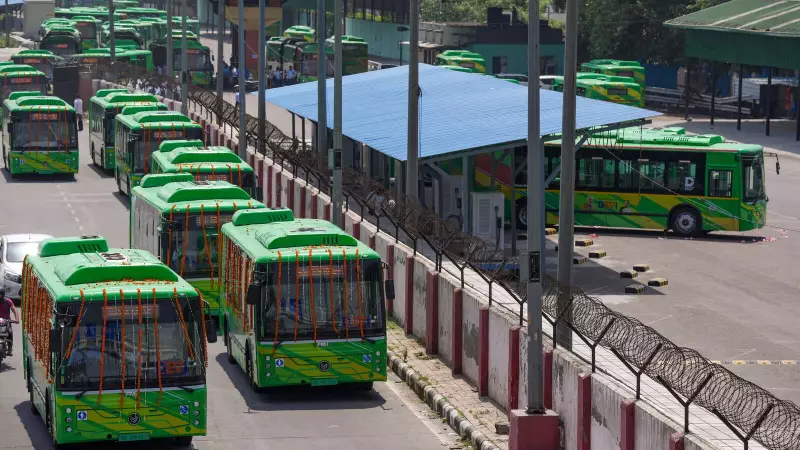
India's public transportation sector is charging ahead with an unprecedented electric transformation as several leading automotive manufacturers secure massive e-bus orders in recent tenders. This strategic move represents a significant leap toward the nation's ambitious carbon neutrality targets.
Manufacturers Leading the Charge
The electric bus landscape is witnessing intense competition with established players and emerging specialists vying for dominance. Tata Motors, a household name in Indian automotive industry, has emerged as a frontrunner with substantial order wins. Meanwhile, JBM Auto continues to expand its electric mobility footprint with significant tender successes.
Specialized electric vehicle manufacturers are also making their mark. PMI Electro, Olectra Greentech, and EKA Switch Mobility have demonstrated their technological prowess by securing notable contracts, proving that innovation and specialization are key drivers in this rapidly evolving market.

Driving Toward a Greener Future
This surge in e-bus deployments aligns perfectly with India's commitment to sustainable public transportation. The government's Faster Adoption and Manufacturing of Hybrid and Electric Vehicles (FAME) scheme has been instrumental in accelerating this transition, creating a favorable ecosystem for electric vehicle adoption.
The environmental implications are substantial. Each electric bus replacing its diesel counterpart can reduce carbon emissions by approximately 100-120 tons annually, contributing significantly to urban air quality improvement and climate change mitigation.
Market Dynamics and Future Outlook
Industry analysts project exponential growth in India's electric bus market over the next decade. The current tender successes represent just the beginning of what promises to be a complete overhaul of the country's public transportation infrastructure.
Several factors are driving this transformation:
- Government incentives and policy support
- Growing environmental consciousness among citizens
- Improving charging infrastructure across cities
- Declining battery costs enhancing economic viability
- Urban development plans prioritizing clean mobility
Economic and Employment Opportunities
Beyond environmental benefits, the electric bus revolution is generating substantial economic opportunities. The manufacturing, maintenance, and charging infrastructure sectors are witnessing job creation and technological innovation. Local component manufacturers are adapting to supply chains for electric vehicle production, fostering indigenous manufacturing capabilities.
As India accelerates toward its carbon neutrality goals, the electric bus sector stands as a testament to the nation's commitment to sustainable development. The successful execution of these recent tenders will likely catalyze further investments and innovations in the electric mobility ecosystem.
The road ahead looks promising, with electric buses poised to become the backbone of India's urban public transportation, creating cleaner, quieter, and more sustainable cities for future generations.