Government Increases LPG Supply to Key Industries Amid Ongoing Gas Crisis
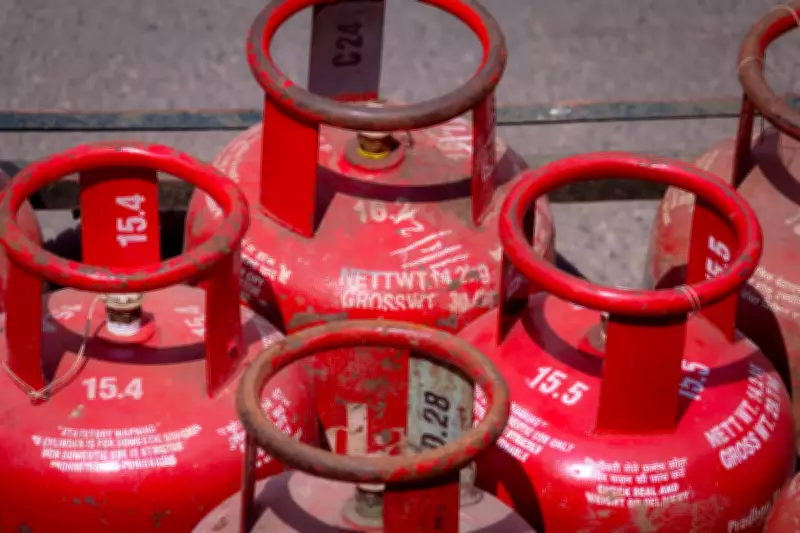
In a significant move to mitigate the impact of the ongoing gas supply disruption, the government announced on Friday a 20% increase in commercial liquefied petroleum gas (LPG) allocations. This boost brings the total supply to 70% of pre-crisis levels, providing much-needed relief to critical sectors of the economy. The decision is part of a broader strategy to cushion key industries from the severe shortages triggered by geopolitical tensions in West Asia.
Prioritizing Labour-Intensive Sectors for Economic Stability
The additional LPG supply will be directed primarily towards labour-intensive industries that are vital for broader economic activity. These sectors include steel, automobiles, textiles, dyes, chemicals, and plastics. By focusing on these areas, the government aims to prevent widespread production halts and maintain employment levels. Prashant Vasisht, senior vice president of corporate ratings at ICRA, emphasized that this move is designed to stabilize industrial operations. He noted that increased domestic LPG production and alternative imports have "reduced the deficit, providing some comfort" to businesses grappling with the crisis.
Mixed Reactions from Industry Stakeholders
Industry leaders have welcomed the measure, though with varying degrees of optimism. Pankaj Chadha, chairman of the Engineering Export Promotion Council (EEPC) of India, highlighted the positive impact on steel mills, particularly smaller units. "Steel is a key segment of the engineering goods sector, and its shortage could severely impact the production chain. The additional LPG allocation should minimize supply bottlenecks and ensure steady output," he stated. This sentiment is echoed by many in the manufacturing sector, who see the move as a crucial step towards maintaining production continuity.

However, the garment sector remains skeptical. While acknowledging partial relief, industry representatives doubt that the increased allocation will meet even half of their near-term demand. Yarn processing, which is essential for garment production, relies heavily on gas-powered operations. In Tiruppur, a major textile hub, supply to hundreds of units has been cut for 10 days, affecting approximately 100,000 employees. Alexander Neroth, director of NC John Garments, pointed out the compounding challenges: "Freight and raw materials costs have risen substantially, making it difficult to get yarns processed." The shortage has also disrupted credit cycles and risks favoring well-capitalized buyers over smaller firms.
Background and Conditions for Access
The gas shortage originated from the West Asian conflict and the near-closure of the Strait of Hormuz to commercial shipping. In response, the government curtailed commercial LPG allocations to 20% on March 12. Since then, allocations have been gradually increased, culminating in the latest boost to 70%. Access to the additional 20% is conditional: industrial users must register with oil marketing companies such as Indian Oil Corporation, HPCL, and BPCL, and apply for piped natural gas connections with city gas distribution entities. Priority will be given to process industries and units that rely on LPG for specialized heating needs where natural gas cannot serve as a substitute.
Adaptation and Challenges Across Sectors
Manufacturers across various sectors are implementing adaptive measures to cope with the shortage. Ajay Singhania, managing director of EPACK Durable, reported that LPG and piped gas shortages had reduced production by nearly 50% over the past three weeks. "We have initiated interim measures like partial fuel-switching across processes, but these come with efficiency and cost trade-offs. For the consumer durables sector, where demand is seasonal, consistent energy availability is critical to ensure timely production," he explained.

In the auto component industry, forging and casting units have continued production by shifting to in-house solar-powered electrical heating. A Chennai-based exporter noted that this transition to renewable energy has helped navigate the situation with relative ease, though inventories have dwindled from 15–20 days to just 2–3 days. Smaller firms, however, are feeling the strain more acutely due to their heavier dependence on LPG, highlighting the uneven impact of the crisis across different scales of operation.
The government's intervention, while a step in the right direction, underscores the ongoing challenges faced by India's industrial sector. As the situation evolves, stakeholders will closely monitor the effectiveness of these measures in ensuring sustained economic activity and minimizing disruptions.