Goa's Hospitality Industry Confronts LPG Supply Crunch Amid Global Unrest
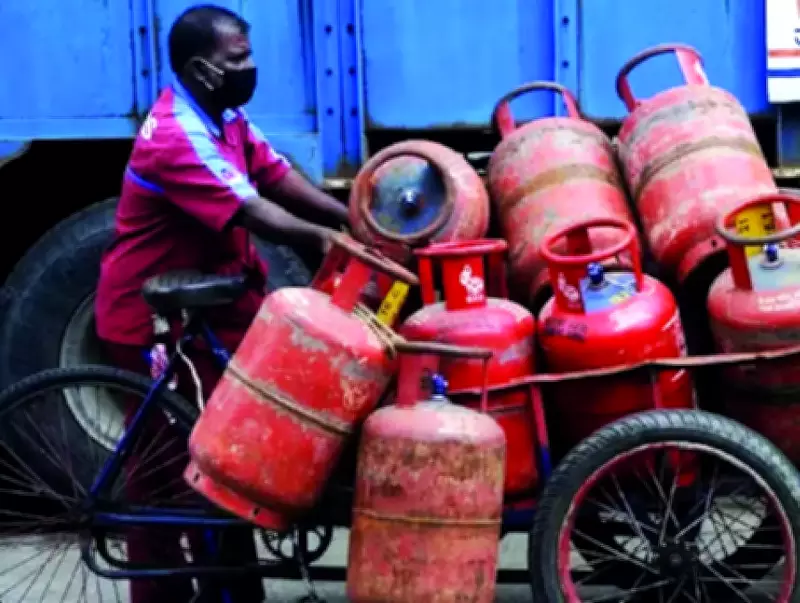
The ongoing crunch in LPG supply is triggering distressing flashbacks of the COVID-19 pandemic for Goa's restaurateurs and hoteliers. While commercial LPG cylinders are currently being supplied in a regulated manner, numerous eateries across the state anticipate that their gas supply could completely flame out by the upcoming weekend.
Preparing for Potential Disruption with Alternative Solutions
In proactive preparation, Goa's culinary and hospitality sectors have initiated a significant shift toward electric induction cooktops. This strategic move aims to conserve their existing LPG stocks and brace for potential disruptions in the fuel supply chain.
"This situation eerily resembles the Covid times. We are bracing for LPG supplies to potentially halt within the next three to five days. Should that occur, it would undoubtedly spell disaster for our industry," stated Jack Sukhija, the President of the Travel and Tourism Association of Goa. "The government must urgently instruct officials to implement and enforce strict district-wise measures to prevent LPG cylinders from being illicitly diverted to the black market."

Formal Appeals and Economic Warnings Issued
The Goa Chamber of Commerce and Industry has already taken formal action by writing to Union Petroleum Minister Hardeep Singh Puri. In their communication, the GCCI issued a stark warning that the government's well-intentioned efforts to protect household LPG supplies could inadvertently cripple the very backbone of Goa's economy—the tourism and hospitality sector.
Global Factors Driving the Domestic Supply Crisis
India imports approximately 62% of the LPG it consumes, with the majority of these critical shipments passing through the Strait of Hormuz. This vital global energy route is currently under significant strain due to escalating conflicts and tensions in West Asia, directly impacting supply chains.
In response to these developments, the Union Ministry of Petroleum and Natural Gas issued a pivotal order on March 5 under the Essential Commodities Act of 1955. This mandate requires that all LPG produced by domestic oil refiners be supplied exclusively to domestic consumers. This policy effectively cuts off the primary fuel source for thousands of commercial establishments throughout Goa.
"This directive could force the closure of numerous food and beverage establishments and hotels across Goa, precipitating a severe crisis that would adversely affect the state's tourism industry," explained Sukhija. "A multitude of ancillary businesses would also face severe repercussions. The vast majority of restaurants, beach shacks, and catering services are entirely dependent on LPG for their operations. A mere 25-day stockpile is likely insufficient, and although the geopolitical crisis may seem distant, it poses a direct and imminent threat to Goa's economic stability."
Contingency Plans and Strategic Requests
Some forward-thinking hoteliers are already contemplating a shift to European Plan tariffs, where guests would pay for accommodation only, with meals excluded from the package, as a potential contingency measure.
The Travel and Tourism Association of Goa has formally requested the state government to ensure the continuous availability of commercial LPG. Their appeal includes prioritizing dialogue with the central government and taking suppliers and the distribution network into confidence to develop a sustainable solution.