Jalandhar's Street Food Economy in Peril Amid Fuel Crisis
The bustling street food scene in Jalandhar, a city renowned for its vibrant culinary culture, is facing an unprecedented crisis. Small food vendors, who form the backbone of the local informal economy, are grappling with severe financial strain due to a widespread fuel shortage that has sent operational costs skyrocketing. This situation threatens not only their livelihoods but also the unique gastronomic identity of the region.
Operational Costs Surge as Fuel Becomes Scarce
The heart of the problem lies in the escalating prices and limited availability of fuel, primarily diesel and liquefied petroleum gas (LPG), which are essential for running cooking equipment, generators, and transportation vehicles. Vendors report that fuel expenses have increased by over 30% in recent weeks, squeezing their already thin profit margins. Many are forced to spend hours in long queues at petrol pumps, losing valuable business time and incurring additional labor costs.
This fuel crisis has a cascading effect on the entire supply chain. Transportation costs for raw materials, such as vegetables, spices, and grains, have also risen sharply, further inflating the overheads for these small-scale entrepreneurs. Some vendors have resorted to reducing portion sizes or slightly increasing prices, but fear customer backlash in an economy where affordability is key.

Vendors Voice Desperation and Uncertainty
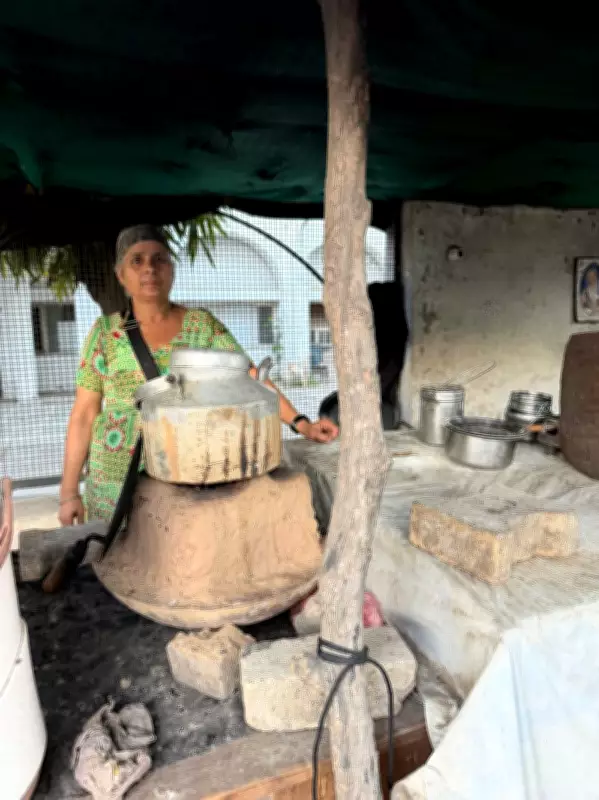
Interviews with local vendors reveal a scene of growing desperation. "We are barely breaking even," says a chaat stall owner in the city center. "If this continues, I might have to shut down my stall, which has been my family's source of income for two decades." Another vendor specializing in tandoori items highlights how the LPG shortage forces intermittent closures, directly impacting daily earnings and customer trust.
The struggle is particularly acute for mobile food carts and temporary stalls, which rely heavily on fuel for mobility and power. Without consistent access, they cannot operate in high-footfall areas, leading to a significant drop in revenue. Many are now considering alternative, often more expensive, energy sources or cutting back on operational hours, which only exacerbates their financial woes.
Broader Implications for Jalandhar's Local Economy
This crisis extends beyond individual vendors, posing a threat to Jalandhar's local economy and social fabric. Street food vendors employ thousands and serve as affordable dining options for residents and tourists alike. Their potential decline could lead to:
- Increased unemployment in the informal sector
- Loss of cultural heritage tied to traditional foods
- Reduced accessibility to cheap, nutritious meals for low-income families
- A domino effect on allied businesses, such as local farmers and suppliers
While some vendors are exploring resilience strategies, like pooling resources for bulk fuel purchases or shifting to electric alternatives where feasible, these require capital investment that many lack. The situation calls for urgent attention from local authorities to ensure fuel availability and consider support measures, such as subsidies or streamlined distribution, to safeguard this vital segment of the urban economy.
As the fuel shortage persists, the future of Jalandhar's iconic street food culture hangs in the balance, with vendors hoping for relief before their small businesses are pushed to the brink of collapse.